
Weekend Light Habits That Break Your Rhythm
Why Weekends Feel Like a Reset Button (But Aren’t)
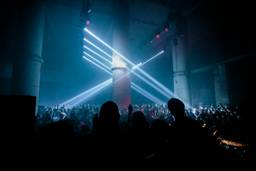
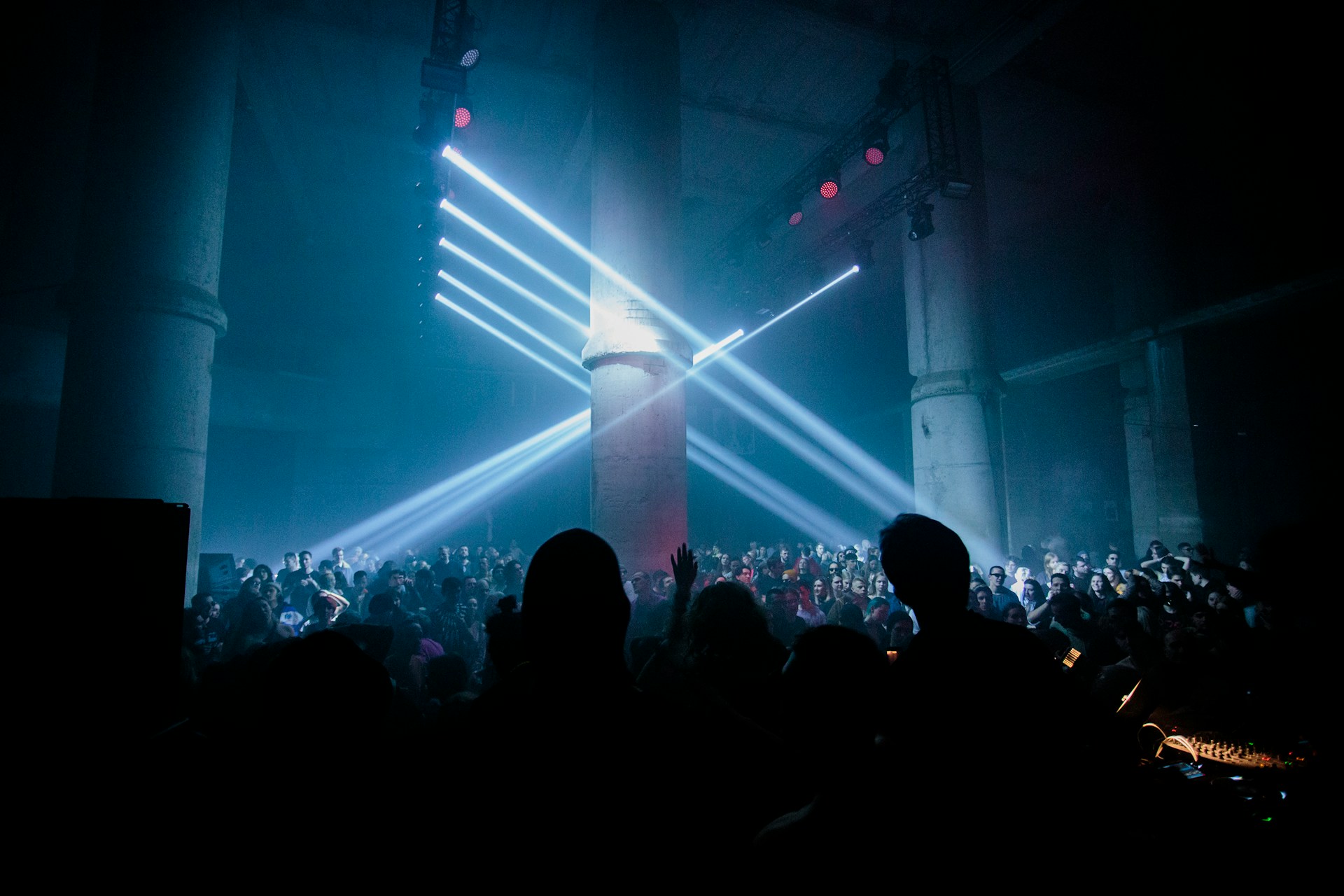
Staying up late under bright lights on Friday and Saturday, then sleeping in behind blackout curtains, tells your internal clock two different stories. Light is the strongest timing cue your brain receives. Change the timing or intensity for just two days and your circadian rhythm drifts, making Monday feel like jet lag.
Light Late, Darkness Late: The Mechanism
Evening brightness suppresses melatonin, the hormone that signals biological night. Your brain reads the light as a cue to stay awake, so bedtime slides later. Then a dark, late morning delays the “anchor” signal that normally resets your clock after sunrise. The result is a shifted rhythm that clashes with weekday obligations.
The Monday Drag = Mini Social Jet Lag
Shift your sleep and light schedule by two or three hours over the weekend and you have effectively flown a couple of time zones without leaving town. Your alertness, appetite, and mood cycles are all off on Monday because the clock in your brain is still on “weekend time”.
Common Weekend Traps
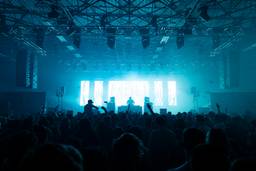
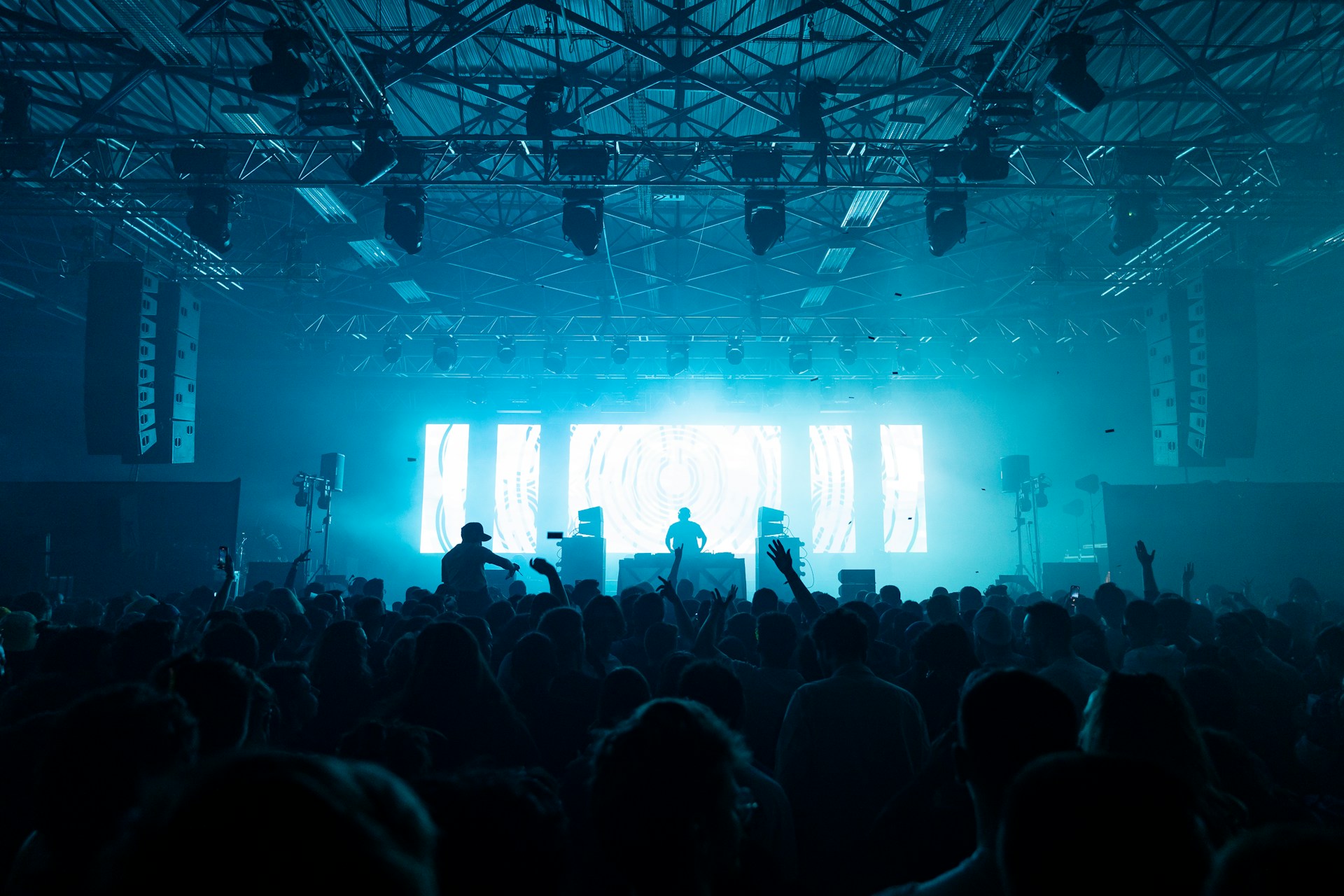
Bright living rooms, late-night screens, bar or club lighting, and sleeping past noon with blinds closed all push your clock later. Toss in late meals and minimal morning sunlight and the delay compounds.
Smarter Weekend Light Choices
Keep evening light dimmer and warmer, especially during the last 2–3 hours before bed. Open your curtains when you wake and step outside within 30 minutes to get real brightness. If you’re out late, aim for at least some morning light exposure the next day to start nudging your clock back.
Morning Sunlight vs. Indoor Light: Why It MattersWhen You Can’t Keep the Same Schedule
Life happens. If you know a late night is coming, plan a small advance shift: get extra morning light the day before and dim earlier the following evening. After the late night, prioritize bright outdoor light the next morning and avoid napping too long, which can delay bedtime again.
Build a Consistent Anchor
Choose one or two anchors you keep every day: a morning light routine and a consistent dim-down window at night. These act like bookends that stabilize your rhythm even if the middle of your day varies.
Next up
So far we've learned a lot about how light affects sleep. Now, let's explore the basics of sleep itself.
Sleep Basics: Stages, Cycles, and Architecture