
How Alcohol, Caffeine, and Late Meals Shift Stages
Why these everyday habits change your sleep architecture
Alcohol, caffeine, and late meals do more than make it harder to fall asleep. They change which stages you spend time in, when those stages show up, and how smoothly you cycle through them. That means you can wake up having logged enough hours but still feel unrefreshed because the proportions and timing of REM and deep sleep were skewed.
A quick primer: what does it mean to "shift stages"?
Healthy sleep follows a rough pattern: light N1 and N2, then deep slow wave sleep (N3), then REM, repeating in 90 minute-ish cycles. Substances can delay or suppress certain stages, compress others into the wrong part of the night, or fragment cycles so you bounce back to lighter sleep more often.
Alcohol: sedation is not natural sleep


Alcohol acts as a sedative, helping you fall asleep faster, but it suppresses REM in the first half of the night and increases awakenings later as it is metabolized. The result is lighter, more fragmented sleep toward morning and often an early wake time you cannot fall back from.
Deep sleep sometimes looks higher after drinking, but quality is questionable. Brain waves are less coordinated, and the REM rebound that follows can be vivid or even nightmare heavy. If you are already short on REM, this extra suppression makes the deficit worse.
Caffeine: blocking adenosine and pushing deep sleep later


Caffeine is an adenosine receptor antagonist. Adenosine builds pressure to sleep; block it and the brain thinks it is earlier than it is. Sleep latency lengthens, slow wave sleep can be reduced or shifted to later cycles, and REM may be delayed. The half life averages about 5 to 7 hours, so an afternoon cup is still active at bedtime.
Even if you fall asleep, caffeine can increase micro-arousals that you do not remember but that chip away at continuity. Sensitivity varies, and genetics partly explain why some people swear they can drink espresso at 9 p.m. and still sleep. Often they are sleeping, just not getting the depth they think.
Late meals: heat, hormones, and peripheral clocks
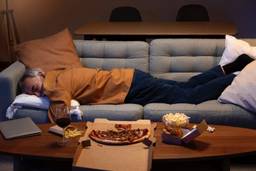
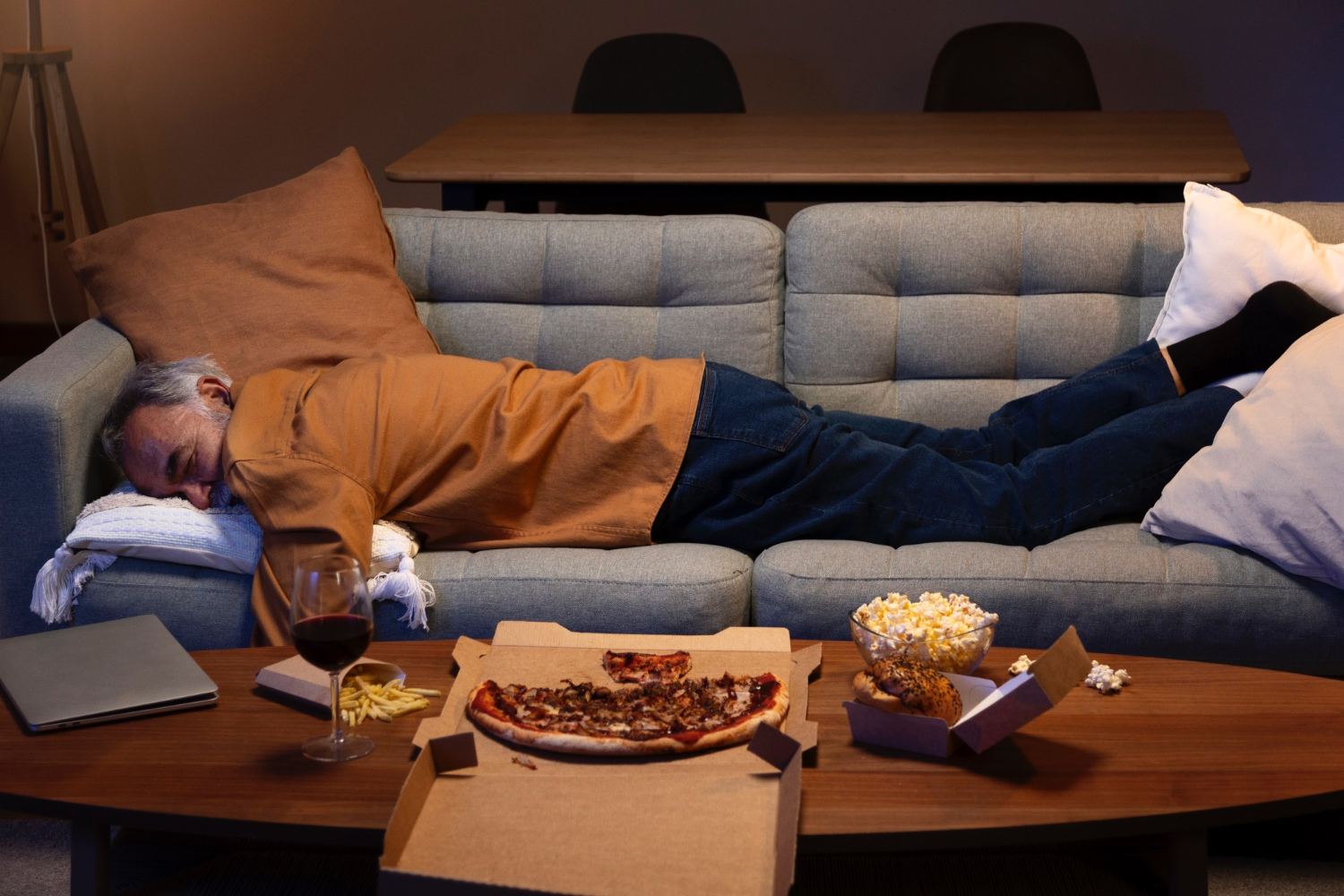
Digesting a large or high fat meal raises core body temperature and can delay the normal nighttime drop that helps initiate deep sleep. Gastroesophageal reflux or discomfort can pull you back into lighter stages. Meal timing is also a circadian signal for organs like the liver and pancreas, so eating late can misalign those peripheral clocks with your brain’s master clock.
High sugar spikes and late insulin surges may also alter REM timing, since REM clusters more in the second half of the night when glucose regulation is already more fragile. The impact is bigger if you consistently eat late, not just once in a while.
Practical timing guidelines
Aim to stop caffeine 8 to 10 hours before target bedtime. Reserve alcohol for earlier in the evening, keep volume modest, and finish at least 3 hours before lights out. Try to finish the largest meal 3 to 4 hours before bed; a light snack is fine if you are hungry.
If you did indulge, what helps?
Prioritize morning light and movement the next day to reinforce timing cues. Keep the bedroom cool and dark to support whatever deep or REM sleep you can salvage. Hydrate early, not right before bed. If reflux is an issue, elevate the head of the bed slightly.
Connect the dots: sleep pressure and fragmentation
Caffeine’s adenosine block ties directly into how sleep pressure builds. Alcohol and late meals increase fragmentation. If these topics are new, a deeper dive can help everything click.
Sleep Pressure and Adenosine: The Build-Up to BedNext up
Temperature is another quiet stage shifter. Learn how body heat and bedroom climate reshape your cycles.
The Role of Temperature in Sleep Architecture