
Common Myths About Sleep (Busted)
Why Myths Stick Around

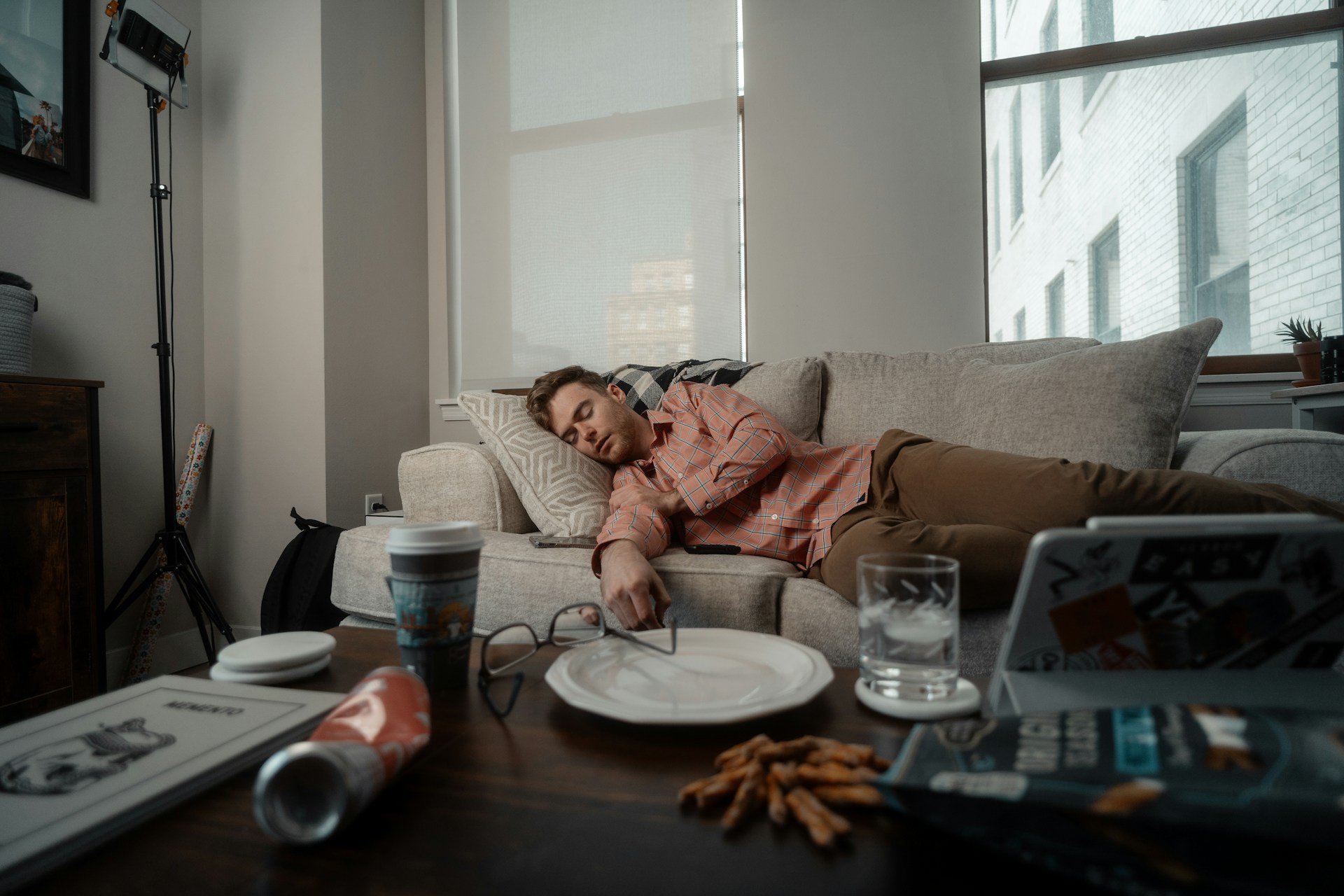
Sleep feels passive, so it is easy for half-truths to spread. The problem: believing them leads to habits that quietly chip away at memory, mood, metabolism, and long-term health. Let’s clear up the most common misconceptions so you can make choices that actually help you recover and perform.
Myth 1: "I can catch up on sleep on the weekend"
Sleeping in on Saturday and Sunday does not fully erase a week of short nights. You can feel a bit better, but reaction time, glucose control, and attention can stay impaired. Repeated cycles of deprive-then-binge also scramble your body clock. Consistency wins. If you are already in sleep debt, use regular earlier bedtimes and steady wake times to pay it back gradually.
Want more on this? See how sleep debt works and how to recover smartly.
Myth 2: "Some people thrive on 4–5 hours"
True short sleepers exist, but they are rare and usually carry specific gene variants. Most of us lose focus, immune strength, and emotional balance below roughly 7 hours. The tricky part: your brain adapts to feeling tired and you stop noticing how much sharper you could be with enough rest.
Myth 3: "Alcohol helps you sleep"
Alcohol can knock you out faster, but it fragments sleep, suppresses REM (the stage tied to memory and emotional processing), and causes early awakenings. Even a single drink close to bedtime can lower sleep quality. If you choose to drink, give your body several hours to clear it before lights out.


Myth 4: "Screens are fine if I use night mode"
Dimming blue light helps a little, but brightness, content, and timing still matter. Bright LEDs of any color signal wakefulness, and stimulating content keeps your brain alert. Aim to turn down both the intensity and the engagement level in the hour or two before bed.
Myth 5: "Snoring is harmless"
Occasional light snoring can be benign, but loud, regular snoring or gasping can signal sleep apnea, which raises blood pressure, strains the heart, and ruins deep sleep. If your partner notices pauses in breathing or you wake unrefreshed with headaches, talk to a sleep professional.
Reality Check
Good sleep is not a luxury add-on. It is basic maintenance for your brain and body. When you hear a tempting shortcut, ask: does this improve sleep quality and timing, or just mask fatigue for a day?
Next up
Not sure if your sleep is actually on track? Learn the warning signs and simple fixes.
Signs You’re Not Sleeping Well (And What To Do)