
How Screens Delay Sleep Onset
Why screens push bedtime later

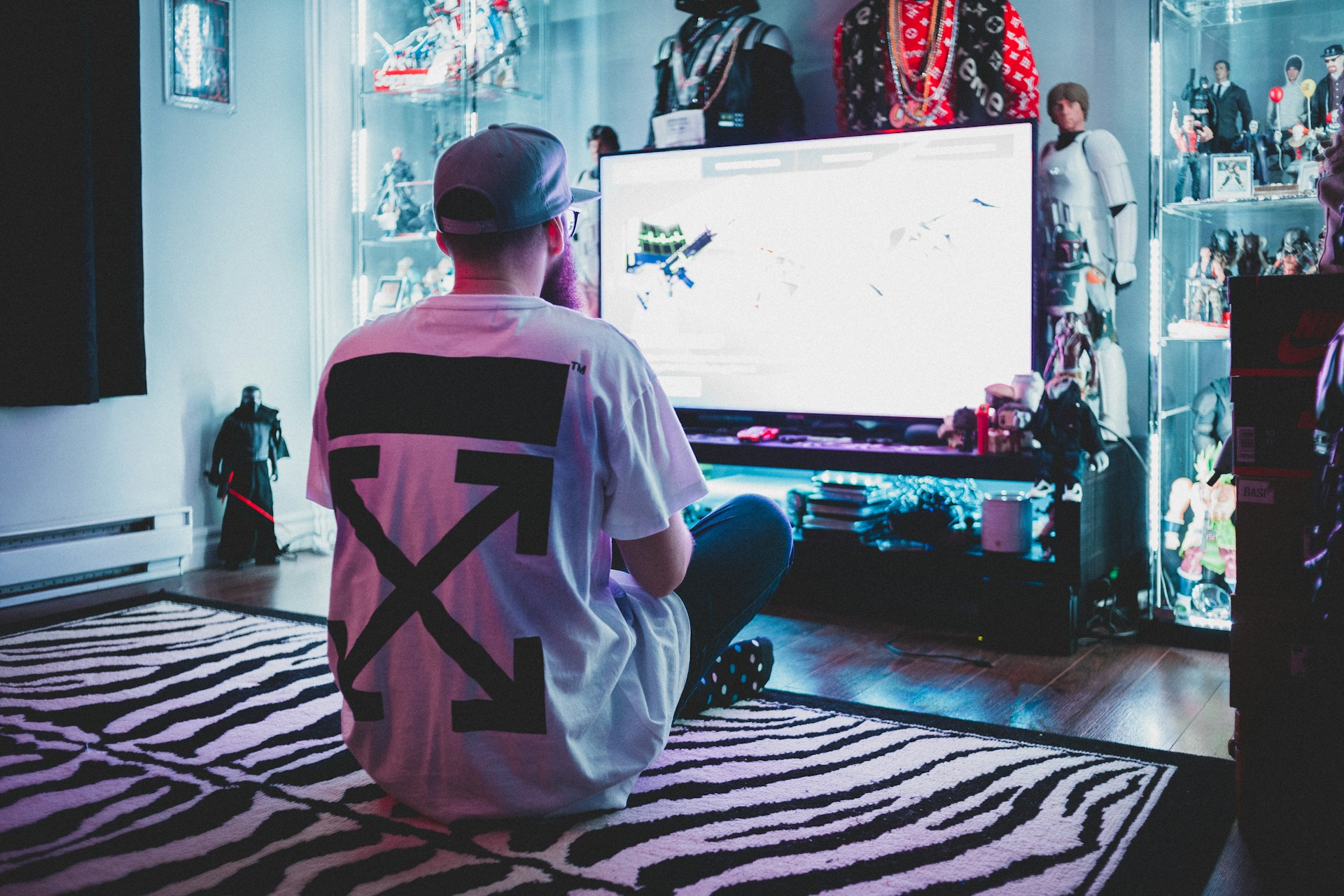
Phones, tablets, and TVs are tiny suns after dark. Their bright, blue-leaning light tells your brain it is still daytime, so the normal evening rise of melatonin is delayed. No melatonin signal means you do not feel sleepy on schedule.
Light = daytime signal to your clock
Special light-sensitive cells in your eyes send a direct message to the brain’s master clock when they see bright light, especially in the blue range common in screens. The clock then holds off on starting the sleep cascade. Dim, warm light says night; bright, cool light says day.
Darkness Cues: How Your Brain Knows It’s BedtimeThe lag after you stop scrolling
Even after you close the laptop, melatonin does not rebound instantly. Studies show suppression can persist for one to several hours, which means your internal signal to get drowsy arrives late. Go to bed at midnight with a delayed signal and you may lie there feeling wired.
The creeping delay cycle
Stay up late on screens tonight, wake up later tomorrow, feel less sleepy the next evening, repeat. Each night shifts a little later until you are chasing sleep at sunrise. This is a classic delayed sleep phase pattern triggered by evening light and reinforced by the next morning’s late wake time.
"I don't feel tired yet" is often the screen talking

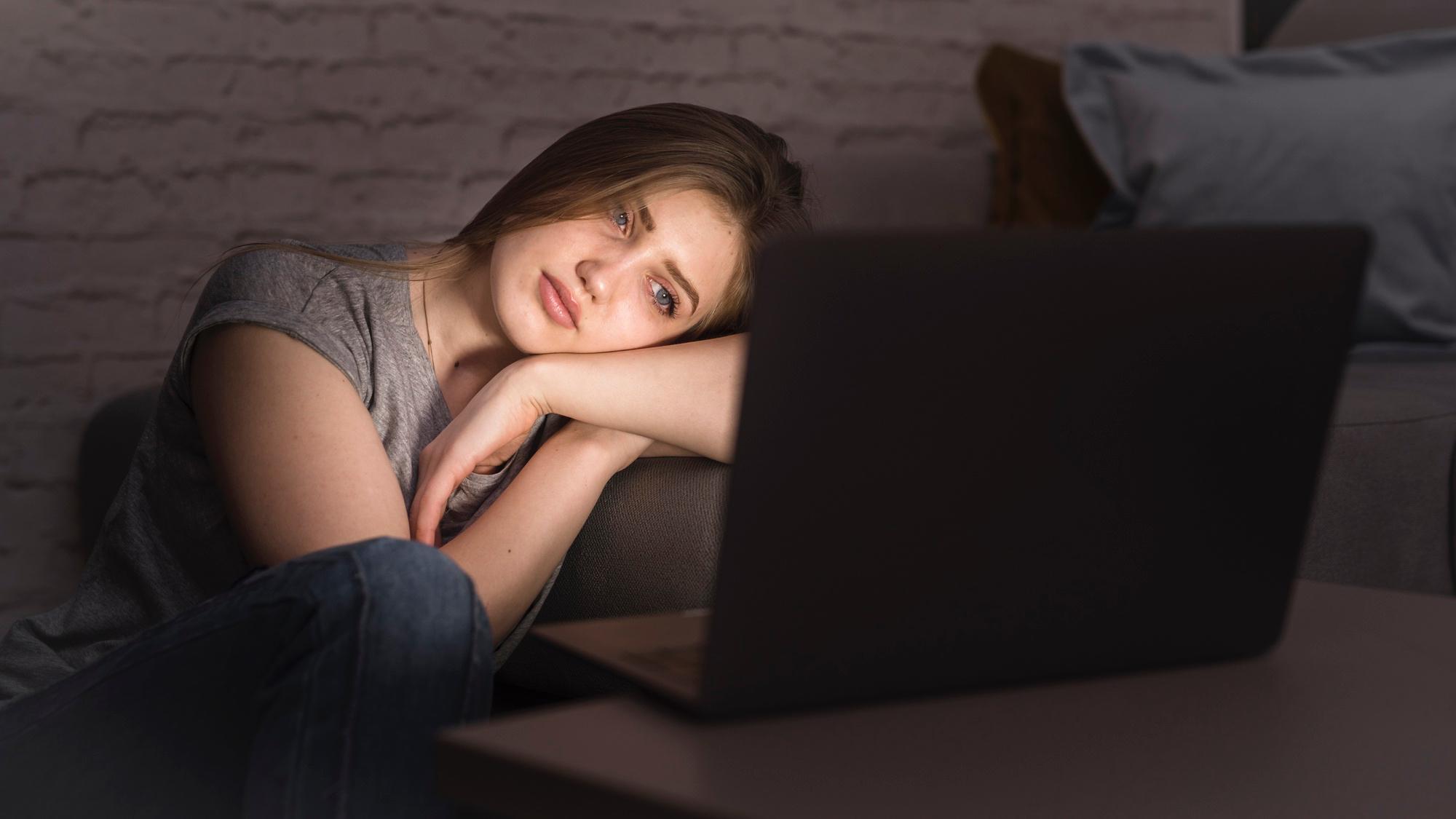
That second episode or one more scroll feels harmless, but the light and stimulation are what keep you from feeling sleepy. The activity keeps your mind alert and the light keeps your hormones in daytime mode.
Practical fixes that actually work
Set a screen curfew 1 to 2 hours before bed. Drop brightness as low as usable and view from farther away. Swap late-night shows for audio or print. Dim the room lights too, since overhead brightness stacks with screen light. If you must use a screen, use true physical filters or glasses that cut short wavelengths, not just a warmer tint.
When screens are unavoidable
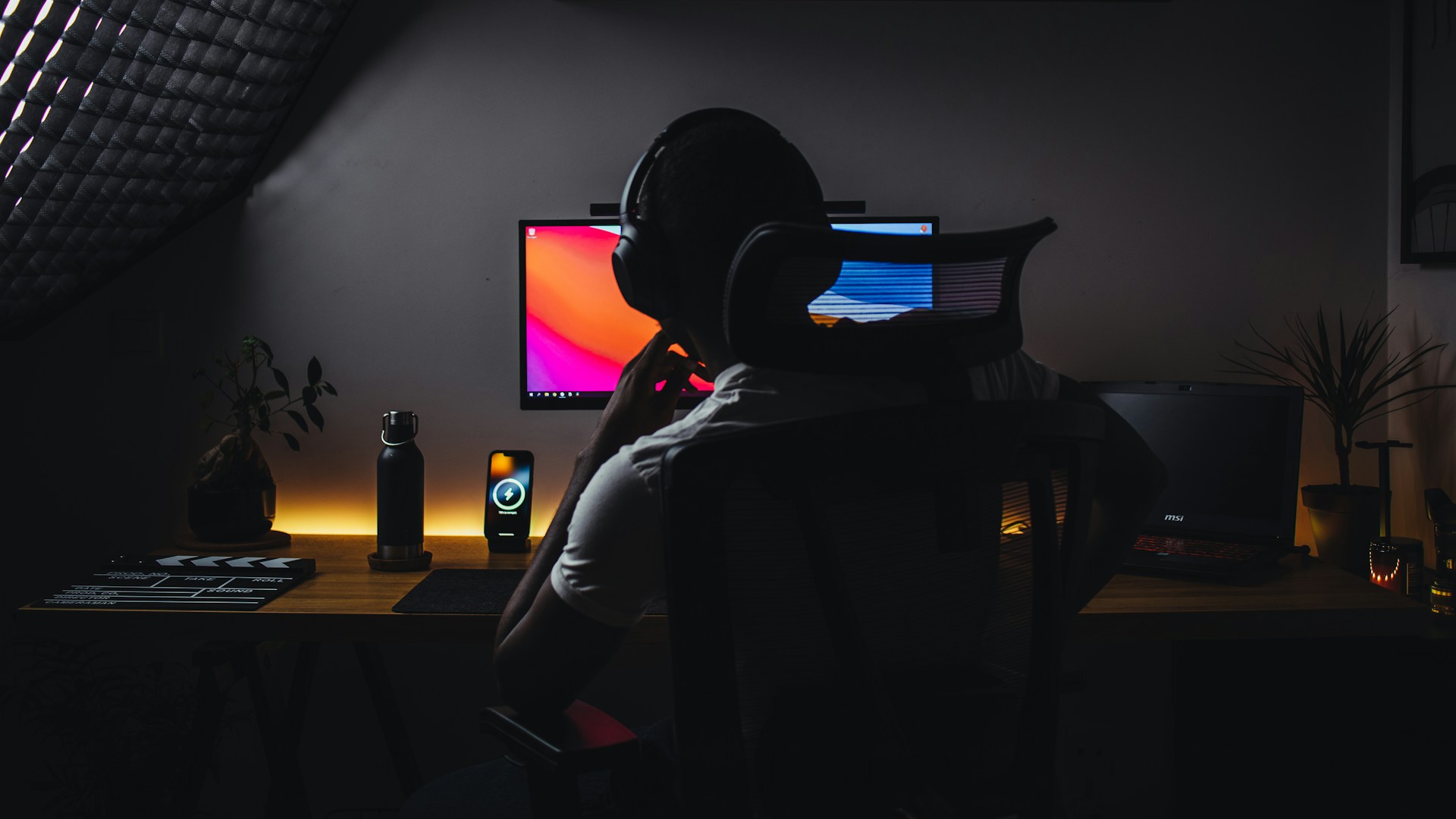
Batch essential tasks earlier in the evening. Use larger displays farther from your eyes rather than a bright phone inches away. Pair any unavoidable screen use with an otherwise dark environment to keep total light low.
Is "Night Mode" Enough?Next up
The weekend can throw off your rhythm too. Learn how late-night habits on days off can shift your sleep schedule.
Weekend Light Habits That Break Your Rhythm