
REM vs. Deep Sleep: What's the Difference?
The short version
Deep sleep (N3) is when your body does heavy physical maintenance: tissues repair, immune activity spikes, and brain waves slow way down. REM sleep is when your brain lights up, you dream vividly, and emotional memories get processed. You need both. They trade places across the night, each handling different jobs.
Deep sleep: slow waves, deep repair


During N3, neurons fire in large, synchronized slow waves. This low-metabolic state supports growth hormone release, cellular clean-up, and immune function. Pain sensitivity can drop and it is hardest to wake up. Cutting deep sleep often leaves you feeling unrefreshed, even if total time in bed looked decent.
REM sleep: active brain, vivid dreams


REM (rapid eye movement) sleep features fast, desynchronized brain activity that looks closer to waking. Muscles are largely paralyzed while the brain replays, integrates, and rebalances memories and emotions. Creative insights often emerge here. Short-changing REM can leave mood brittle and learning less sticky.
When each stage shows up
Early in the night, deep sleep dominates. As the night goes on, REM periods lengthen and cluster toward morning. That is why going to bed very late or waking up too early often chops off a big chunk of REM.
Why you need both
Think of deep sleep as rebuilding the hardware and REM as updating the software. Skip one and the whole system lags. Prioritizing consistent, sufficient sleep time protects the natural balance between stages.
Can you boost one stage on purpose?
There is no reliable hack to selectively increase REM or deep sleep without affecting the other. Trackers estimate stages, but they are imperfect. Focus on behaviors that support overall architecture: regular schedules, morning light, dim evenings, sensible caffeine and alcohol timing.
Common stage disruptors

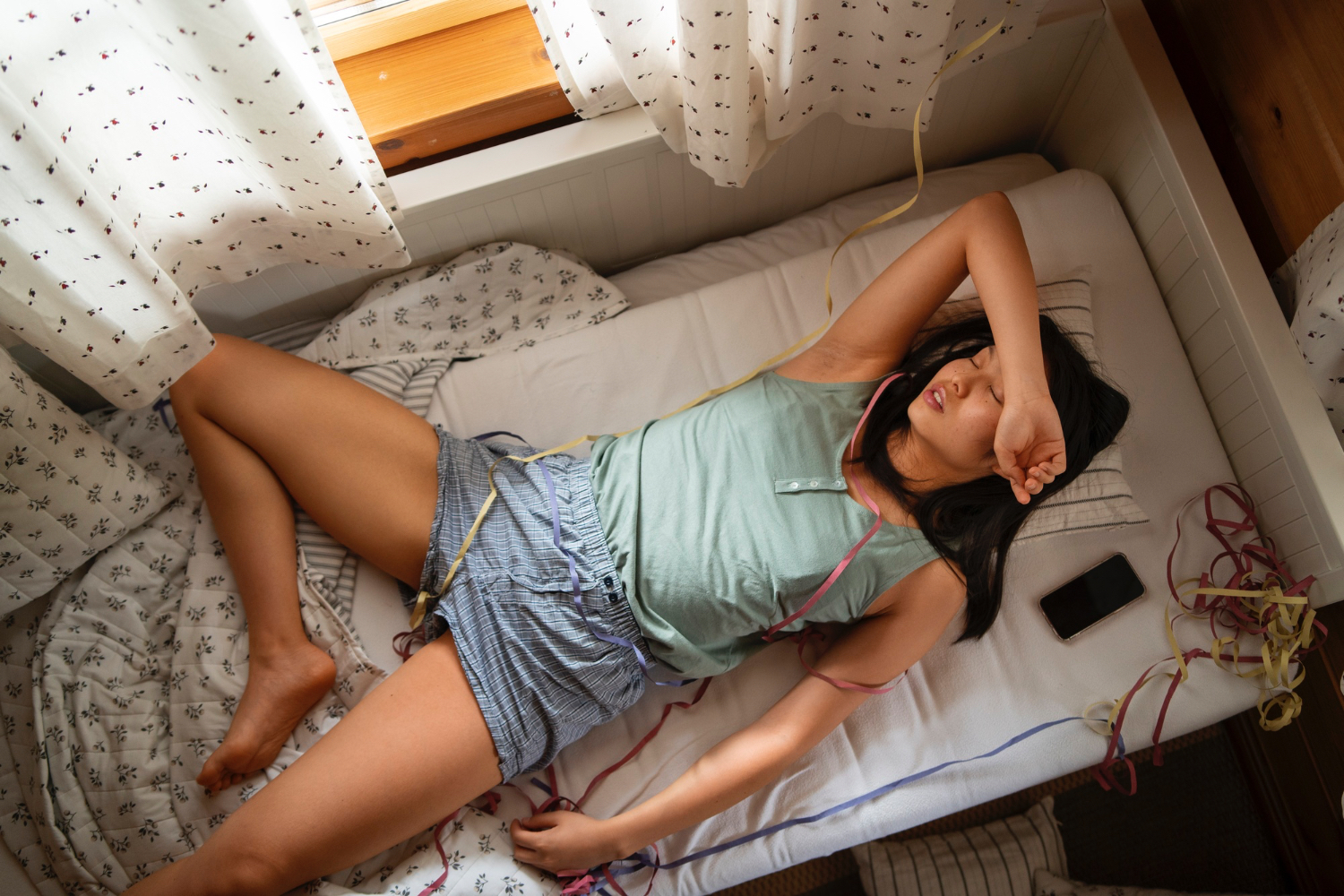
Alcohol can deepen early sleep but fragments it later and suppresses REM. Late caffeine delays sleep onset and reduces deep sleep. Large late meals and intense late-night exercise can also shift stage timing. Light exposure at night mainly delays sleep and melatonin, indirectly squeezing or rearranging stages.
Support healthy architecture
Keep a stable sleep window, get bright outdoor light soon after waking, and dim your environment 1–2 hours before bed. Cool, quiet, and dark bedrooms reduce awakenings that fragment stages. If a medical issue or medication is disturbing sleep, address that with a professional.
Want the bigger picture?
For how these stages fit into full-night patterns, see Sleep Basics: Stages, Cycles, and Architecture.
Read Sleep Basics: Stages, Cycles, and ArchitectureNext up
Learn how those stages are packaged into repeating loops through the night and why the 90 minute idea is a guideline, not a rule.
Sleep Cycles: 90 Minutes, Give or Take