
Realigning Your Body Clock After Disruption
If you missed our introduction to Circadian Sleep Optimization and why alignment matters, start here, then come back to apply it after a disruption.
Read: What is Circadian Sleep Optimization?Why disruptions happen
Even well aligned sleepers get knocked off rhythm. Travel across time zones, shift work rotations, late nights, illness recovery, seasonal light changes, and weekend drift can all push your clock away from your schedule.
- Jet lagCrossing time zones moves local clock time faster than your biology can follow.
- Shift workAlternating day, evening, and night shifts forces repeated phase flips.
- Illness or all nightersSleep timing, duration, and light exposure get erratic.
- Seasonal changeShort winter days and bright summer evenings alter light timing.
- Social jet lagLarge weekday vs weekend schedule swings stretch or compress the cycle.
Core principles for a fast reset
- Use light strategicallyMorning bright light advances (earlier). Late evening light delays (later). Daytime brightness strengthens amplitude. Darkness at night protects sleep.
- Stack cuesAlign temperature, meals, caffeine, and exercise with the target schedule to speed adaptation.
- Shift at a realistic rateMost people adapt about 0.5-1.5 hours per day. Larger, forced jumps feel harder and are less stable.
- Protect sleep opportunityAim for a full, consistent sleep window while you shift. Recovery is the goal, not heroics.
Protocol A: You need to shift earlier (advance)
Use when:
You need an alarm to wake up on time, you have trouble falling asleep, west-to-east travel, long evening screen time, or when mornings feel sluggish.
- Morning light doseGet 30-60 minutes of outdoor light as soon as possible after waking. If indoors, increase brightness and sit near a window.
- Move earlyLight activity soon after waking. Place harder training in late morning or early afternoon.
- Front-load caloriesMake breakfast and lunch larger. Keep dinner lighter and earlier.
- Caffeine cut offStop caffeine 8-10 hours before your target bedtime.
- Evening dimReduce brightness 2-3 hours before bed. Warmer spectrum. Screens low and distant.
- Cool and wind downLower bedroom temperature, take a warm shower 60-90 minutes before bed to aid the drop, and use a predictable pre-sleep routine.
- Advance graduallyMove bed time earlier by 30-60 minutes per day until you reach the target.
Protocol B: You need to shift later (delay)
Use when:
You fall asleep too early, east-to-west travel, or unwanted early awakenings.
- Delay morning lightAvoid bright light for the first 30-60 minutes after an early wake. Then take a strong light dose mid to late morning.
- Exercise laterPlace training in late afternoon or early evening, not right before bed.
- Evening brightness windowUse moderately bright light 2-3 hours before the new later bedtime to help delay. Keep last 60 minutes pre-bed dim.
- Meal timingShift dinner slightly later while keeping it light. Avoid very late heavy meals.
- Caffeine timingYou can move the cutoff a bit later than usual, but avoid within 6-8 hours of bed.
- Bed time creepMove bed time later by 30-60 minutes per day until aligned, while keeping total sleep time adequate.

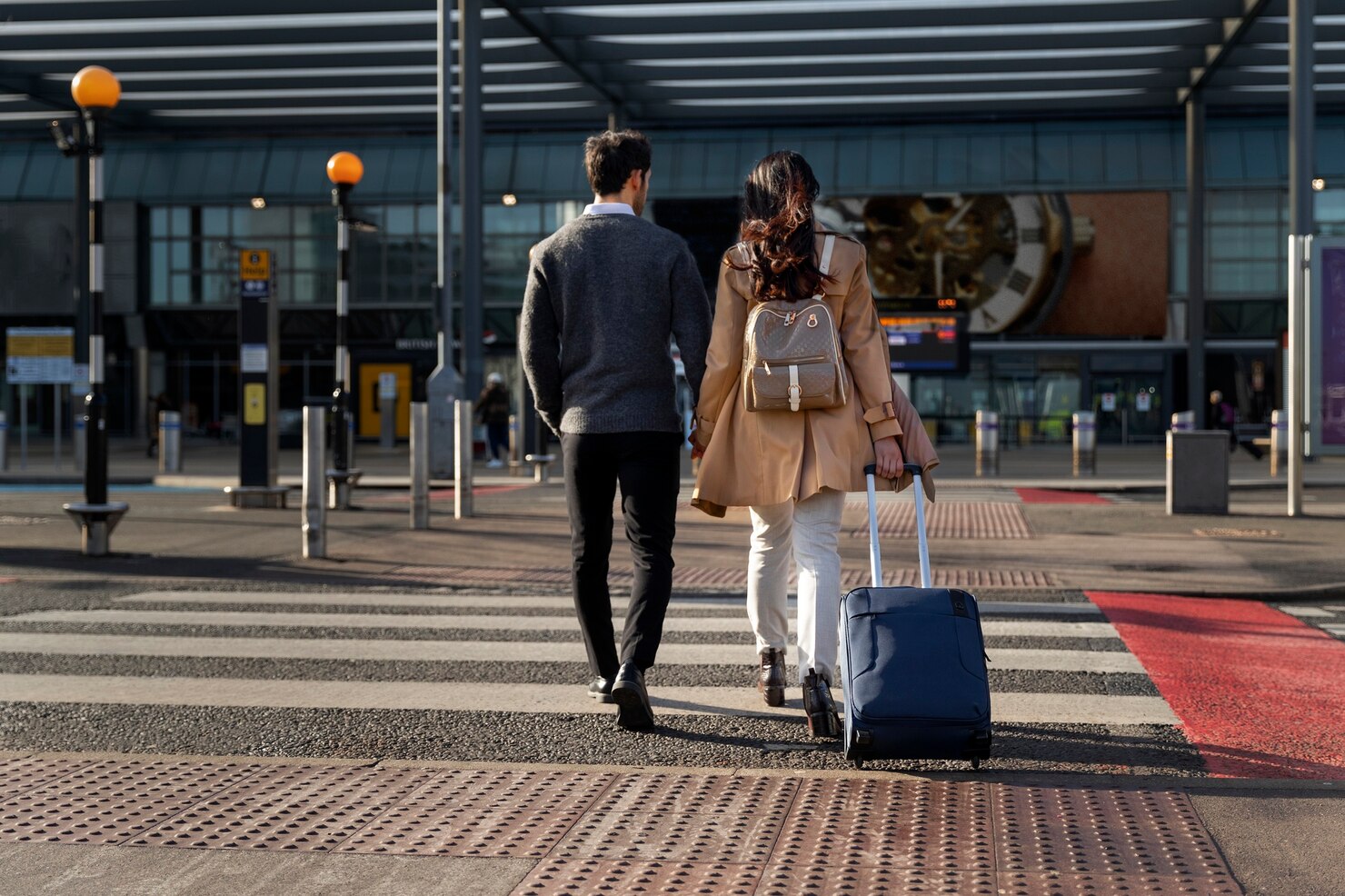
Jet lag: a practical playbook
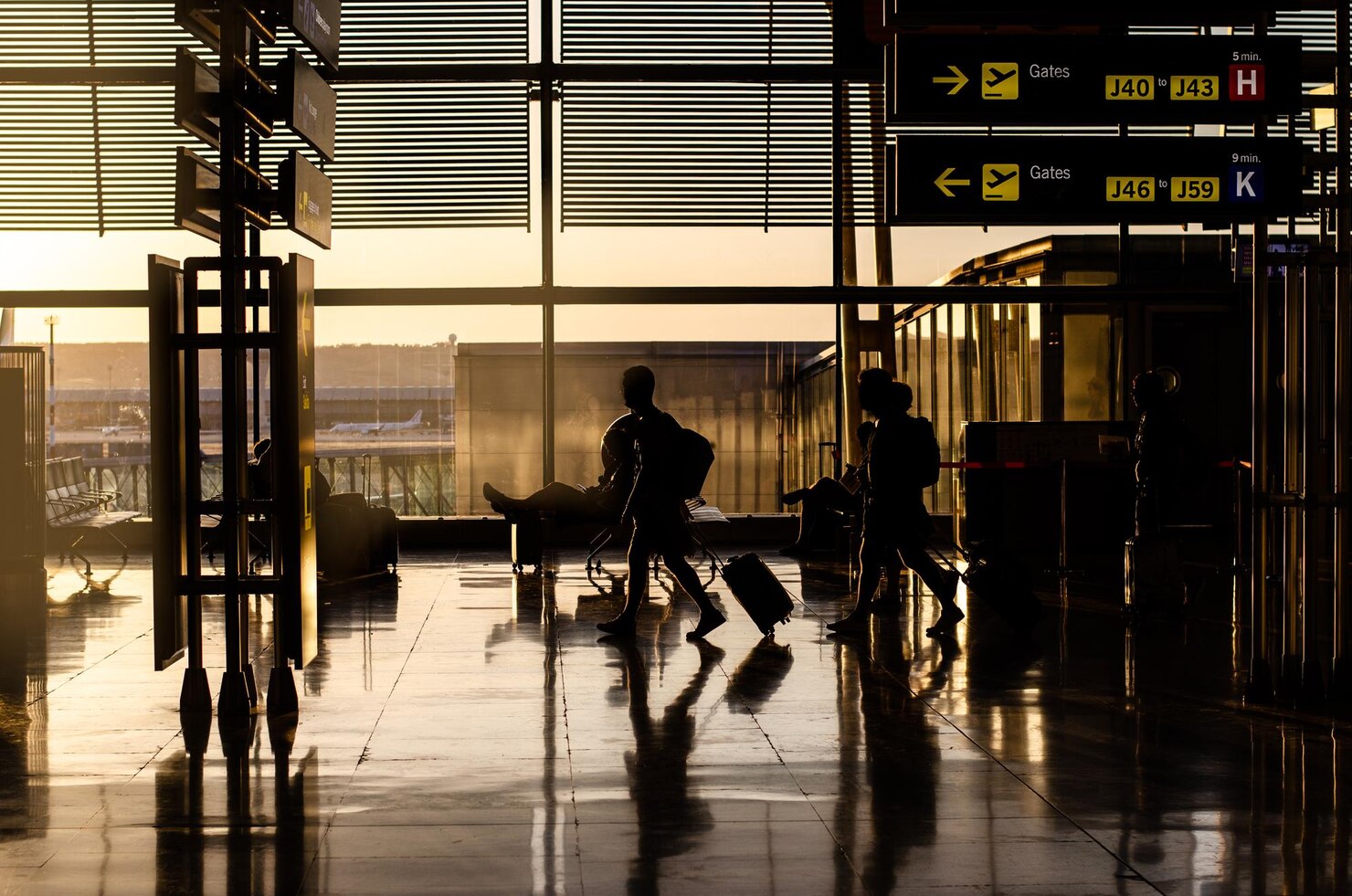
- Before you flyPre-shift 1-2 days if possible. Move wake and light window toward destination by 30-60 minutes per day.
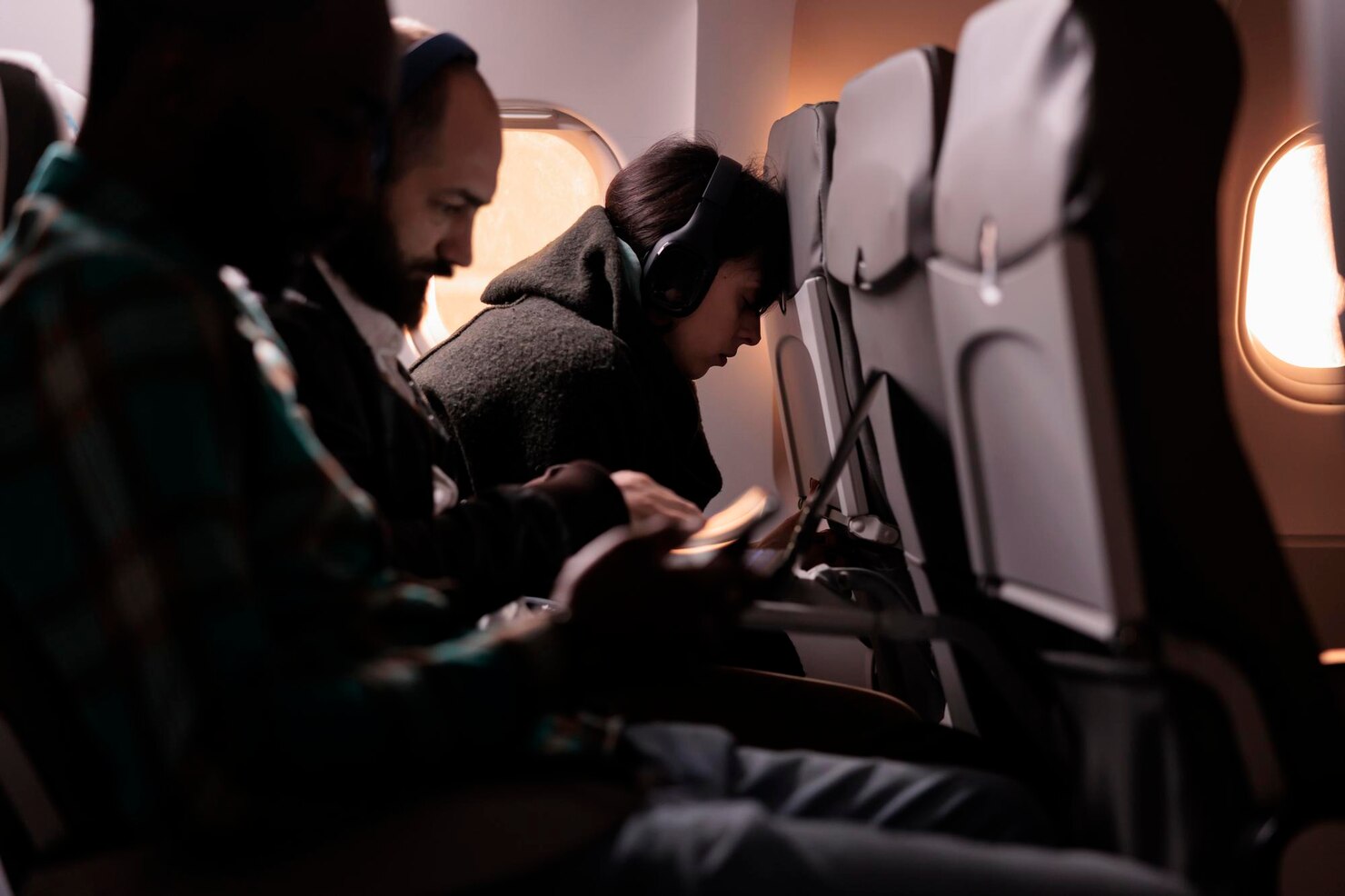
- On the planeAlign sleep attempts with destination night. Limit alcohol. Hydrate. Use an eye mask and earplugs.
- Upon landingFollow Protocol A for eastbound or Protocol B for westbound starting on local morning.
- Morning exposureGet outdoor light shortly after local wake. Skip if it is pre-dawn and you are delaying.
- Sunglasses strategyIf you must be outside at a time that would push you the wrong way, wear dark sunglasses to blunt the signal.
- Meals and movementEat and move on local time from day one. Keep the first dinner light and early when advancing.
- Short trip with big time difference?If your trip is short (a couple days) and the time zone jump is significant (the other side of the world), you may want to stay on your home time zone. Scheduling events and managing Circadian Sleep Optimization can be tricky, but it can be easier than trying to adapt to a new time zone for a short trip, and again upon return.
Rule of thumb: expect about 0.5-1.5 hours of adaptation per day. Large eastbound jumps are usually slower than westbound.
Shift work: stabilize what you can


- Pick a consistent anchorEven with rotations, protect a stable anchor like post-shift wake or pre-shift nap time.
- Control light on commuteNight shift ending at sunrise: wear dark sunglasses going home to avoid an unwanted advance.
- Split sleep wiselyUse a longer main sleep plus a 20-90 minute nap before the next shift if needed.
- Strategic brightnessKeep work area bright during the active portion of night shifts. Dim your environment 60-90 minutes before main sleep.
- Caffeine windowFront load caffeine in the first half of the shift. Avoid in the last 6-8 hours before main sleep.
Illness recovery

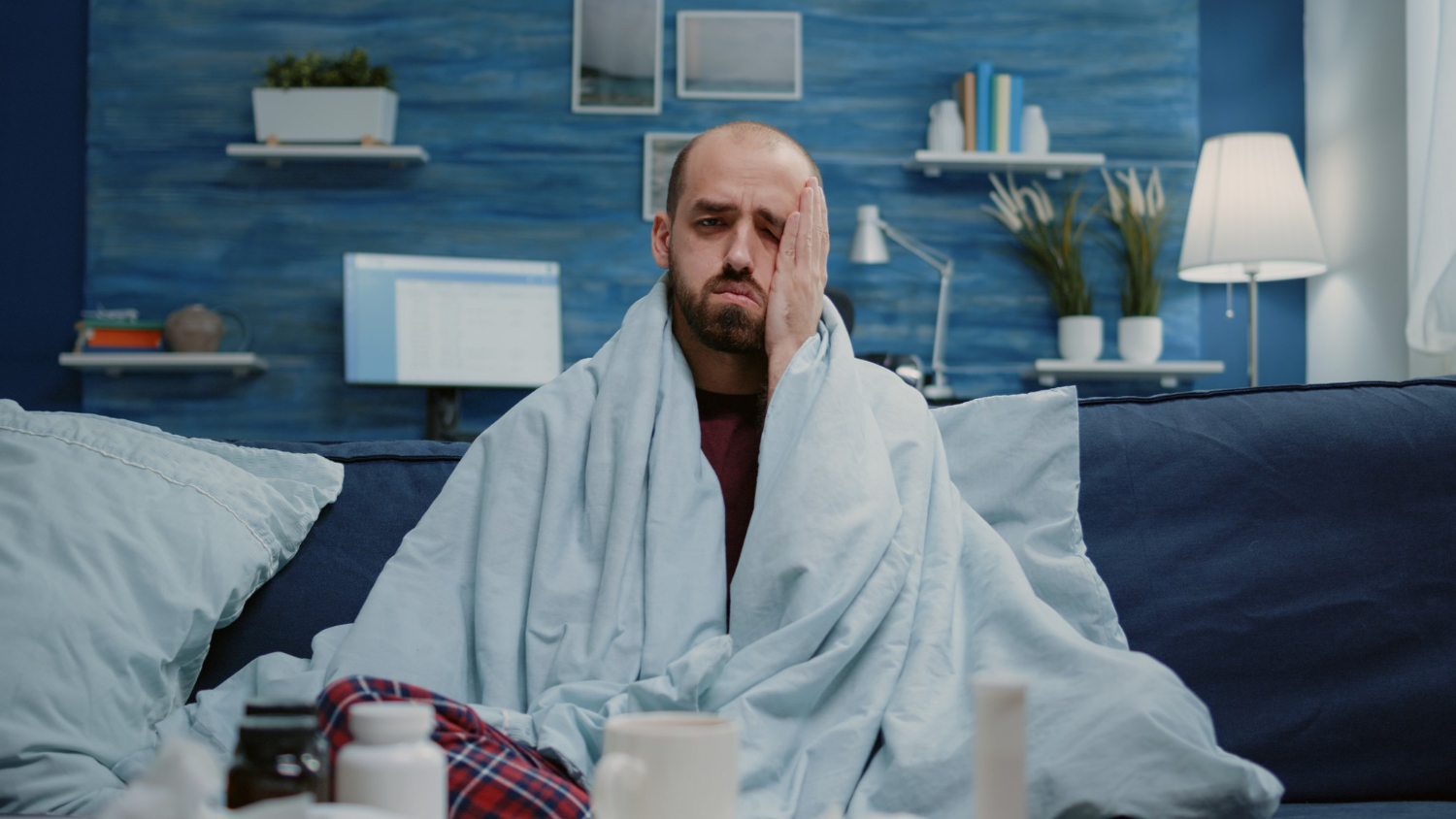
When you get sick, your sleep need can increase. You also will likely spend more time indoors and in bed. This can shift your clock later and make it harder to get back on track. While all the tips mentioned here can help, here are some specific tips for getting back on track after an illness:
- Prioritize extra restAfter illness, your body may need more sleep than usual. Allow yourself to nap or extend your sleep window for a few days as needed.
- Ease back into routineAs you start to feel better, gently reintroduce morning light and light movement. Don’t rush intense exercise or strict schedules right away.
- Re-anchor graduallyOnce your energy returns, pick a consistent wake time and rebuild your light and meal cues. If your sleep timing is still off, adjust by 15–30 minutes every few days until you’re back on track.
Temperature, meals, caffeine, and exercise: how to stack cues
We'll go more into this in the next post, but here are some simple tips to get started:
- TemperatureA cool shower in the morning can help set wake signals in motion. Cooler nights and a small evening drop support sleep onset. A warm shower 60-90 minutes before bed can help the natural drop after.
- MealsFront load calories when advancing. Avoid heavy late meals, which can disrupt sleep. Align eating with the destination day on travel.
- CaffeineAnchor to morning and late morning. Personal cutoff 8-10 hours before bed when advancing and at least 6-8 hours when delaying.
- ExerciseMorning to early afternoon for advances. Late afternoon to early evening for delays. Avoid all out efforts right before bed.
Common mistakes to avoid
- Weekend whiplashKeeping weekday and weekend sleep 2-3 hours apart makes every Monday feel like jet lag.
- Bright nights and dim daysThis inverts the signal. Make days bright and nights dim.
- Snoozing through the anchorWavering on wake time stalls adaptation.
- Late heavy dinners and late caffeineBoth push sleep later and fragment rest.
Quick reference: choose your track
- Need earlierMorning bright light, earlier meals, earlier exercise, strict evening dim, earlier wake by 30-60 minutes per day.
- Need laterDelay morning light a bit, place exercise later, a modest evening brightness window, later dinner but not heavy, wake time creeps later.
- TravelPre-shift if you can, then follow the appropriate earlier or later track on arrival.
- Shift workBright work environment, dark commute home if at sunrise, nap strategy, protect the main sleep window.
Next up:
You have the reset playbook. Now amplify the results by pairing alignment with the habits that multiply health and performance.
Read: Pairing Circadian Sleep Optimization with Other Health Habits