
Morning Sunlight vs. Indoor Light: Why It Matters
Sunrise signals built into biology


Life evolved under a reliable pattern: bright mornings, dim evenings. Sunlight sweeping across the planet each day set the original metronome for every cell. Our master body clock, tucked inside the brain, still waits for that daylight surge to reset itself after each night of sleep. When the signal arrives on time your hormones, temperature, mood, and digestion all line up. Miss it and the schedule drifts, leaving you groggy in the morning and restless at night. A strong dawn cue also jump-starts serotonin production, the daytime partner to melatonin.
Brightness: outdoor vs indoor in numbers

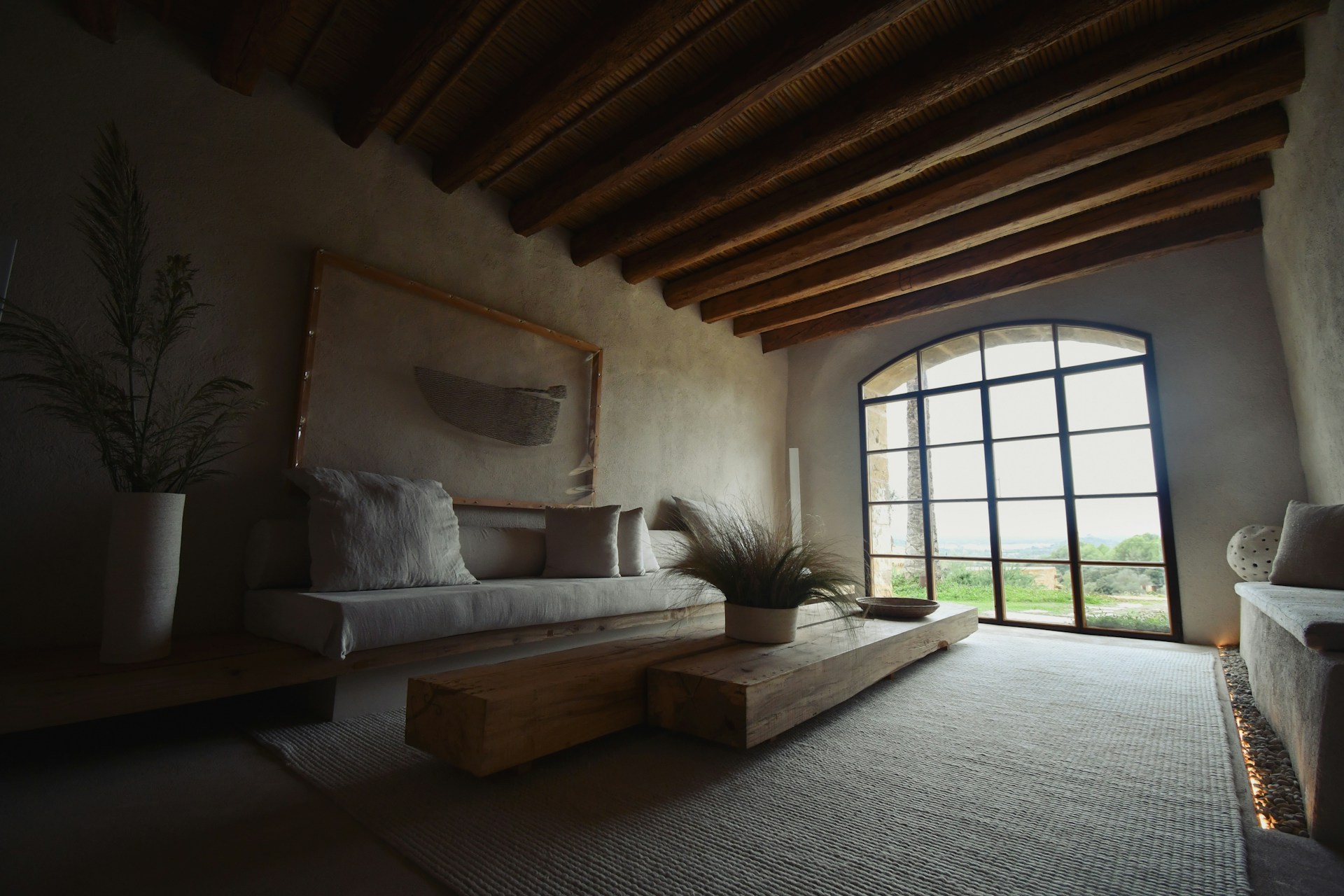
A cloudy morning easily reaches 10,000 lux, and clear sunshine often climbs above 50,000. Standard office lighting rarely tops 500 lux, even with bright LEDs, and many homes sit closer to 150. To your brain those magnitudes are different categories, not different degrees of the same thing. Outdoor light declares that it is solidly daytime; indoor light is a whisper that barely registers. Starting your day inside therefore delays the natural start message and shifts every downstream rhythm.
Spectrum: blue rich dawn vs indoor mix
Intensity is only half the story. Morning sunlight is rich in short wavelength blue photons that activate special retinal cells wired straight to the clock. Most indoor bulbs advertise daylight but still emit a narrow or spiky spectrum that weakens the cue, and glass filters strip out much of the blue you need. Even sitting near a large window you receive one tenth the physiological signal of stepping outside. Direct exposure, even for a brief walk, beats hours under desk lamps.
Put it to work
Step outside within sixty minutes of waking for at least ten minutes; double that on overcast days. Face the open sky, not your phone screen, and remove sunglasses unless you need them for medical reasons. Pair the light with some movement like a short walk or stretch to accelerate the alertness boost. If you wake well after sunrise, use brighter exposure when you do get outside or consider a certified bright light lamp as a fallback.


Morning light also starts an internal countdown. Roughly fourteen to sixteen hours after a solid dawn cue your brain releases melatonin, making it easier to fall asleep at a predictable time. Consistency day after day cements a strong rhythm that supports energy, focus, and metabolic health.
Next Up
Bright light at night sends the opposite message, keeping your brain on daytime settings when you would rather wind down. Learn how timing light badly can leave you wired at midnight.
Bright Nights, Tired Days: Light at the Wrong Time