
How Circadian Sleep Optimization Works Across Your Day


This guide shows how alignment works across morning, day, evening, and night, and how to adjust those levers when life shifts. If you missed our first article that defines Circadian Sleep Optimization, start there for context, then come back here for the daily playbook.
Read: What is Circadian Sleep Optimization?The 24 hour loop
Think of Circadian Sleep Optimization as a continuous 24 hour loop. You apply the right cues at the right time so sleep and wake line up with your biology and your schedule.
- Morning anchorsStrong light, light movement, and a gentle rise in temperature help set phase and clear sleep inertia.
- Daytime reinforcementBrighter days, activity, and earlier calories keep rhythms strong and stable.
- Evening wind downDimmer light, earlier meals, and a calm routine prepare the body for sleep.
- Night protectionDark, cool, quiet sleep supports deeper cycles and more natural wake times.
Morning anchors: set the clock

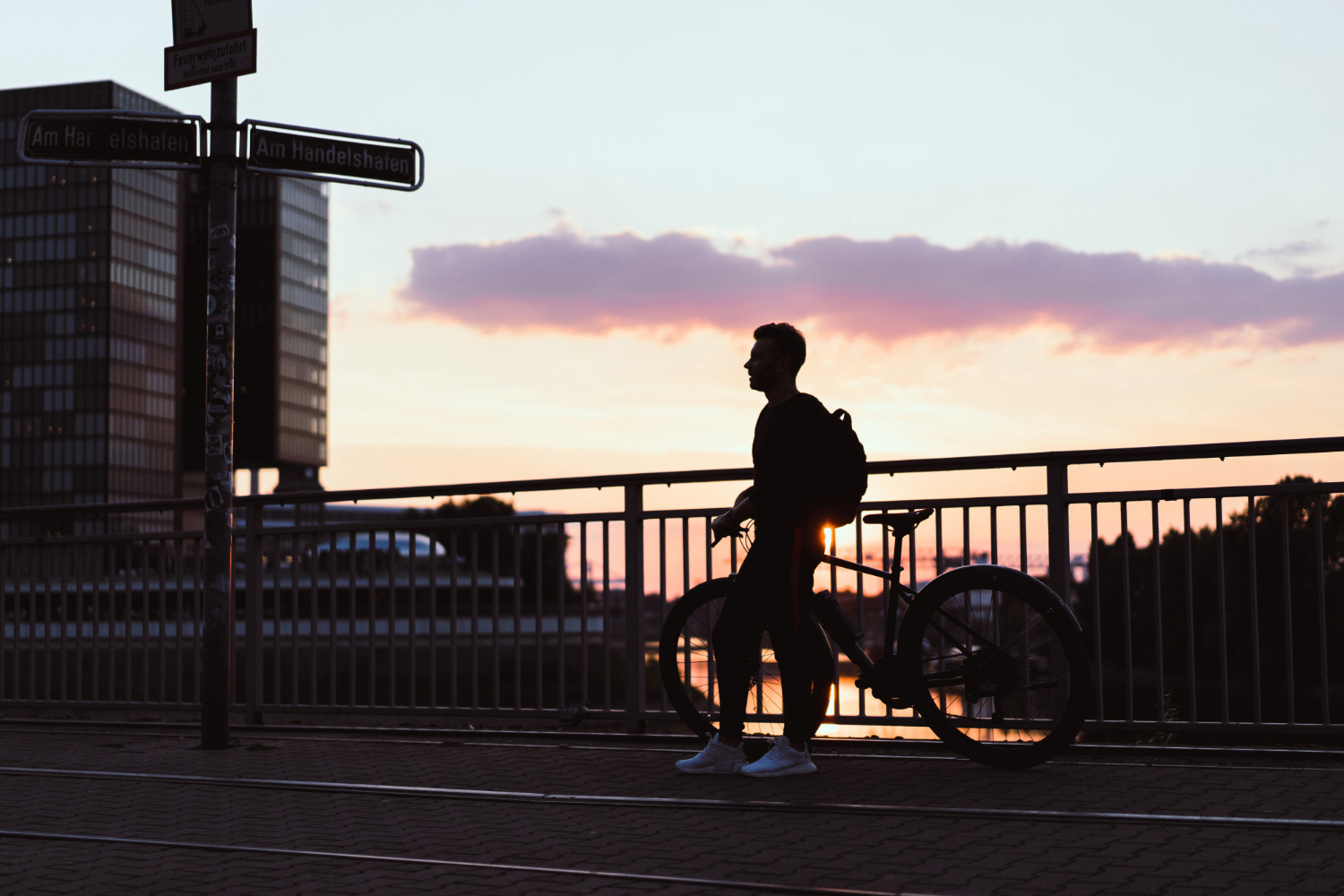
Give your brain a clear morning signal so the rest of the day falls into place.
- Get outdoor light within 30 minutes of wakingFace the sky for 5 to 15 minutes. Longer on dark or overcast days.
- Move your bodyA short walk or light mobility session is enough to boost alertness.
- Delay caffeine 30 to 90 minutesIf you get mid-afternoon crashes, try delaying caffeine by 90 minutes after waking. By letting adenosine clear naturally first, when the effect of caffeine starts to wear off your brain isn't hit with a wave of the blocked adenosine.
- Cold exposureA cold shower or ice bath can kickstart alertness.
Daytime reinforcement: build amplitude


Keep daytime bright and active so your internal rhythms have a strong peak.
- Work in brighter lightSit near a window or increase indoor lighting during focus blocks.
- Train earlier or mid afternoonSchedule exercise to match your energy curve and recovery needs.
- Front load caloriesPlace larger meals earlier and keep a stable eating window.
- Use short naps wiselyIf needed, keep naps under 25 minutes and avoid late afternoon.
Evening wind down: remove late signals


Your evening should gently tell the body that night is coming.
- Dim and warm your lightsLower intensity and reduce short wavelength light 2 to 3 hours before bed.
- Finish dinner earlierLeave a few hours between your last meal and bedtime.
- Stop caffeine by early afternoonProtect sleep depth and onset.
- Lower core temperatureA warm shower 1 to 2 hours before bed can trigger a cooling response that helps you fall asleep.
- Create a simple routineLight reading, stretching, or breathwork signals safety and rest.
- Be cautious of bright lightsBright lights, even if only briefly, can suppress melatonin and delay sleep onset. Be cautious of screens, bright bathroom lights, or other light sources (even the fridge LED could be problematic).
Night protection: guard sleep quality

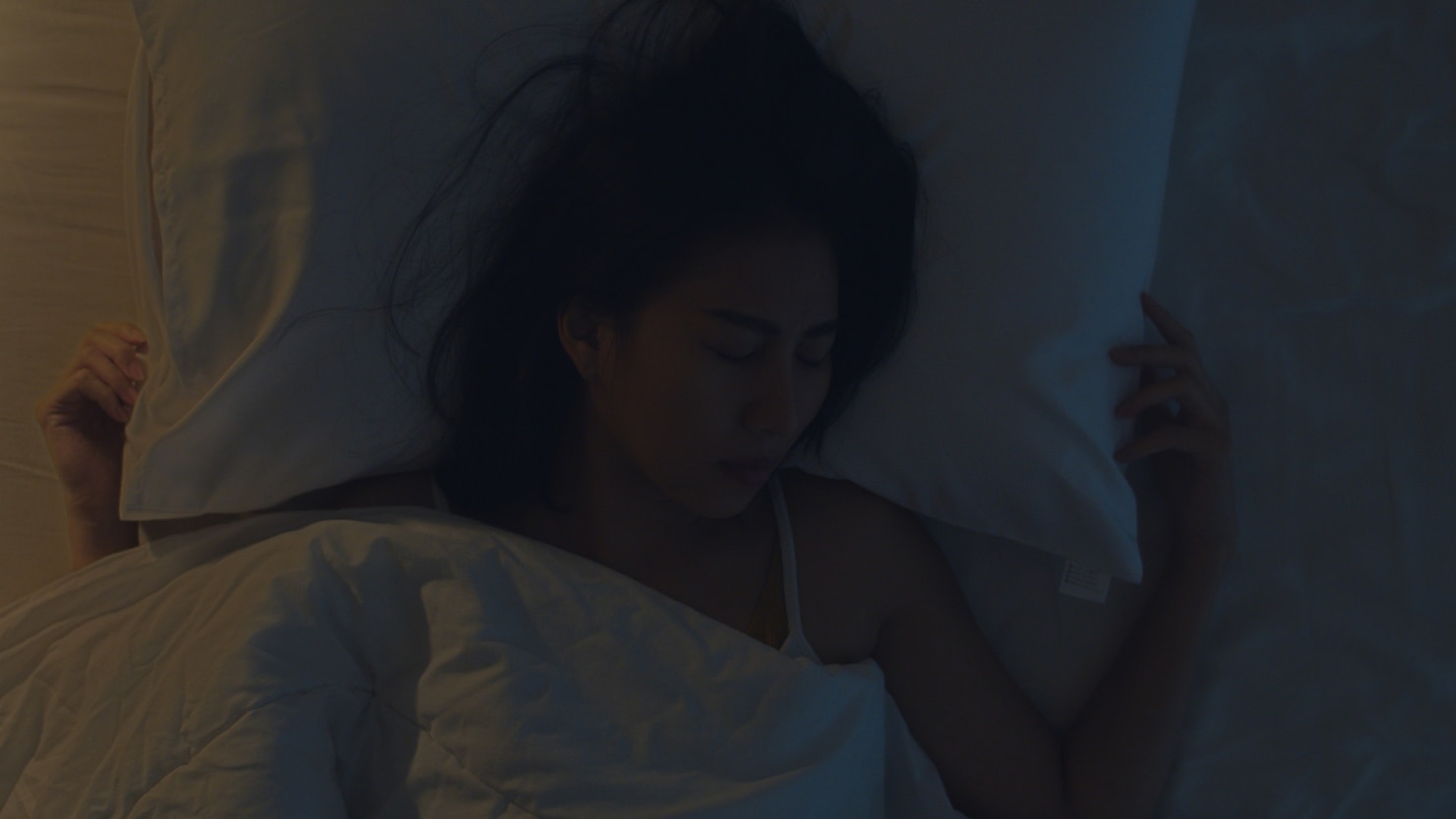
- Keep it darkUse blackout curtains (or a sleep mask as a temporary fix if you can't get the room dark enough). If you get up, use very dim and warm light.
- Keep it coolMost people sleep better in a cooler room with breathable bedding.
- Keep it consistentAim for a stable sleep window and limit weekend drift.
- Protect from noiseUse earplugs or a steady sound source if needed.
When you need to shift the clock
Shift earlier: advance the phase
- Anchor wake timeChoose a sustainable wake time and protect it daily.
- Earlier morning lightGet outdoor light as soon as you wake. Add a short morning walk.
- Move meals earlierPlace more calories at breakfast and lunch.
- Train earlierMorning or early afternoon sessions support earlier timing.
- Dim earlierStart your wind down earlier and finish dinner sooner.


Shift later: delay the phase
- Light later in the morningDelay bright light exposure a bit after waking, then increase daytime light.
- Move some calories laterShift a portion of intake toward lunch and early dinner while keeping a healthy window.
- Exercise mid to late afternoonPlace training slightly later to nudge timing later.
- Avoid very early brightnessKeep early hours softer and ramp light up later.
Strengthen rhythms for stability
High amplitude rhythms are more resilient to travel, late nights, and stress.
- Increase contrastBright days, dim nights. This contrast is a powerful signal.
- Regular timingKeep meals, movement, and sleep within stable windows most days.
- Daily daylightEven short outdoor breaks add up.
- Consistent social cuesPlan regular times for connection and recovery.


Personalize to chronotype, season, and life
- ChronotypeEarly types may favor earlier light and meals. Later types may need gradual shifts and stronger morning cues.
- Season and latitudeUse tools to boost morning light in dark seasons and to dim evenings in bright summers.
- Schedule realityWork, parenting, and training matter. Align as well as you can and prioritize consistency.
Common pitfalls to avoid
- Bright nights, dim daysThis is the most common pattern that shifts timing later and weakens rhythms.
- Weekend driftLarge swings in sleep and wake times create social jet lag.
- Late caffeine and mealsThese push timing later and disturb sleep quality.
- One time fixesA single morning session helps, but stability comes from the whole day pattern.
What to track


Start simple and watch how your days feel, then refine.
- Sleep onset and awakeningsHow quickly you fall asleep and how often you wake.
- Wake easeHow natural your mornings feel without heavy grogginess.
- Midday energy and focusThe stability of your alertness across the workday.
- Recovery after travel or late nightsHow fast you return to your baseline.
Next up:
Light is not just for seeing. It is a biological input that shapes sleep, mood, and performance.
From Illumination to Foundation: Light as a Pillar of Health