
Simple First Steps to Sleep Better Tonight
Better Sleep Starts When You Wake Up


The biggest shift for better sleep is realizing it’s not just about what happens at bedtime. Your brain and body start preparing for tonight’s sleep the moment you wake up. Light, movement, food, and even stress all shape your sleep drive and body clock across the whole day. If you want to sleep better, start by noticing your daily patterns, especially your light exposure. Small changes in your morning and daytime habits can make falling asleep at night much easier.
Light: The Most Powerful Signal


Morning light is the strongest cue for your body clock. Get outside or near a window soon after waking. Natural light tells your brain it’s daytime and helps set you up for better sleep tonight. In the evening, do the opposite: lower lights 60 to 90 minutes before bed. Bright, overhead LEDs and screens keep your brain in daytime mode by suppressing melatonin. Switch to lamps, use warmer bulbs, or just turn fewer lights on. If you must use screens, drop brightness to the lowest comfortable level and keep them farther from your eyes.
Does Light Affect Sleep? (Yes, it does)Other Levers: Temperature, Food, and Movement


Your body clock also responds to temperature, diet, and exercise. Aim for a cool bedroom (around 18 to 20 °C for most people) and breathable bedding. Your core temperature needs to drop a bit to initiate sleep. Caffeine lingers for hours, so cut it off by early afternoon if you struggle to fall asleep. Heavy, spicy, or high sugar meals right before bed can keep you alert. If you’re hungry, choose a small, balanced snack. Regular movement during the day (even a walk) helps build healthy sleep pressure, but try to avoid intense exercise right before bed.
Create a Predictable Wind-Down
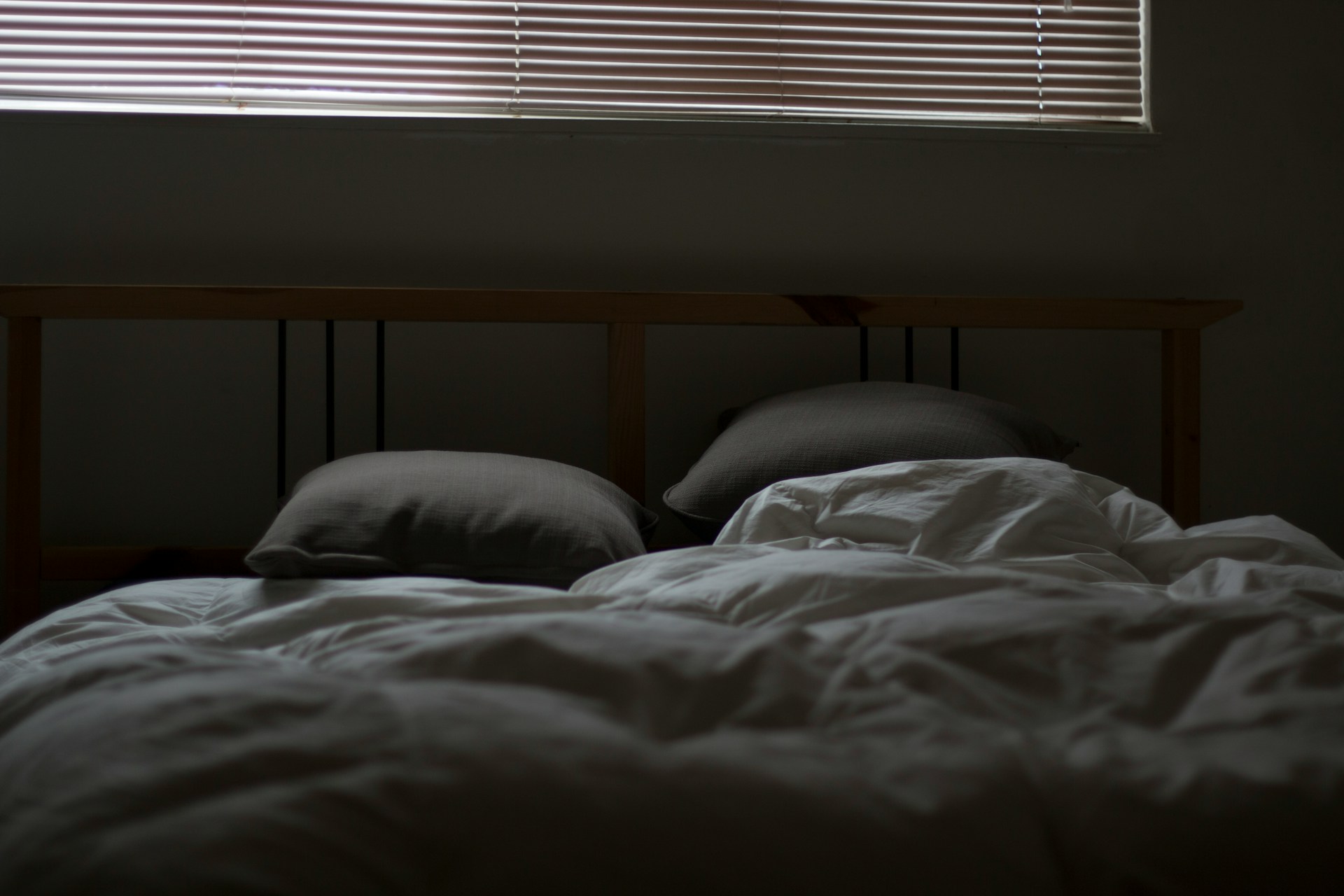
A short, repeatable wind-down routine (stretching, light reading, journaling) teaches your brain that sleep is coming. White noise or a fan can mask random sounds. Prep your room: cool it down, block stray light, silence notifications. These cues help your brain shift into sleep mode faster.
Quick Checklist For Tonight
• Get outside light in the morning, even for a few minutes.
• Pick a target bedtime and set an alarm to start winding down, not just to wake up.
• Dim lights and screens after that alarm.
• Prep your room: cool it down, block stray light, silence notifications.
• Skip late caffeine and heavy meals.
• Do one calm activity you enjoy for 10 to 15 minutes.
Next Up
This is just the start. Next, learn what to do if you’re already carrying a sleep deficit and how to recover wisely.
Sleep Debt: What It Is and How to Pay It Back