
Darkness Cues: How Your Brain Knows It's Bedtime
Darkness is a signal, not just an absence of light
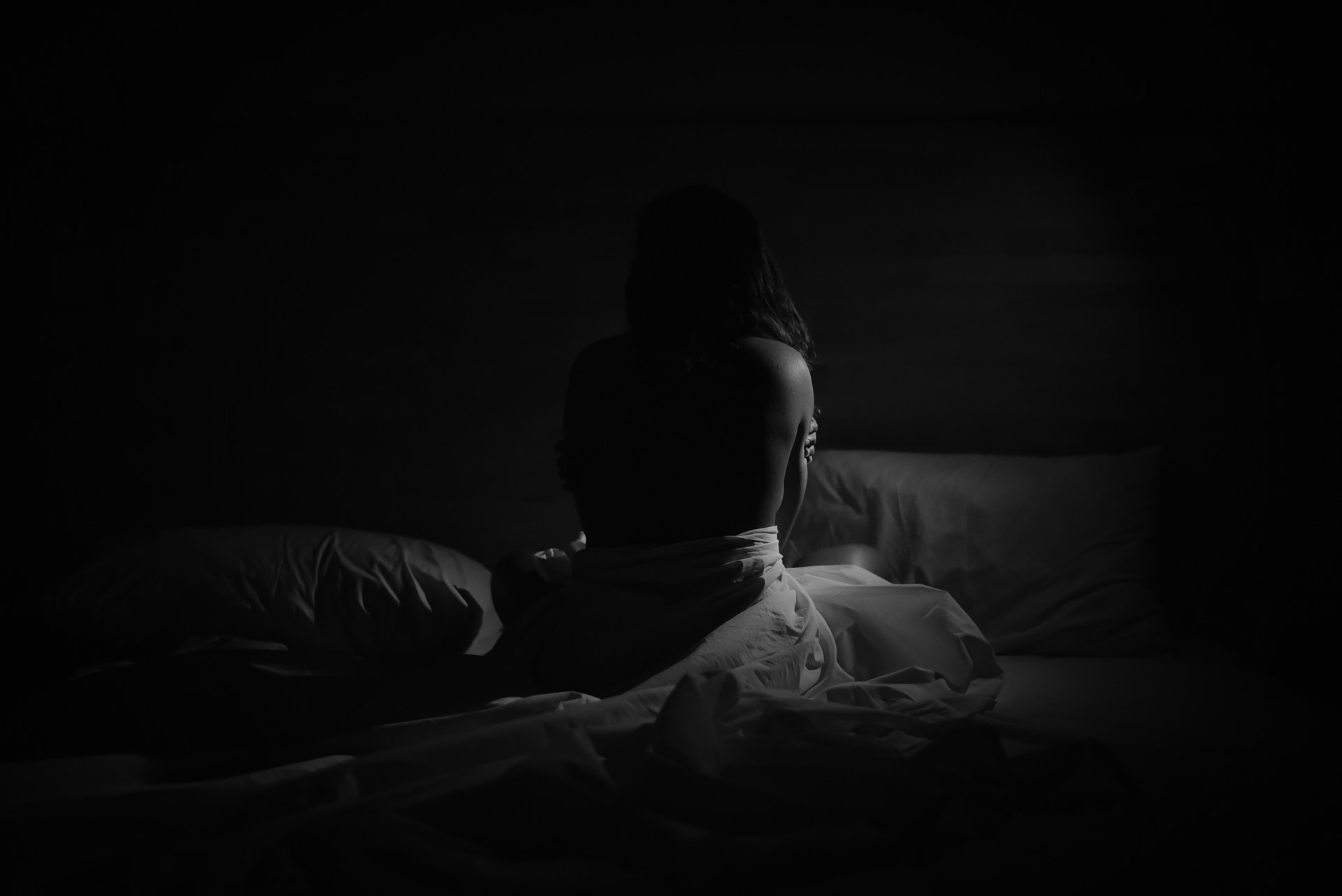
Your brain does not wait for sleep to simply arrive. It reads the drop in light as a cue to begin the night routine: releasing melatonin, lowering body temperature, and shifting attention inward. Modern homes stay bright late into the evening, so those signals can be weak or delayed.
From eyes to clock: the short path that matters
Special retinal cells (intrinsically photosensitive retinal ganglion cells, or ipRGCs) sense overall brightness and send that information straight to the suprachiasmatic nucleus (SCN), your master circadian clock. When light falls, the SCN allows the pineal gland to ramp up melatonin. No darkness, no clear go-to-bed message.
Dim-light melatonin onset (DLMO): your internal heads-up
Melatonin typically starts rising about 1 to 2 hours before your habitual bedtime under dim conditions. Chronobiologists call this point DLMO. If you keep the room bright or stare at a screen, that rise shifts later, making you feel surprisingly alert when you hoped to feel sleepy.
How dim is dim enough?
As a rule of thumb, think cozy restaurant, not office. Many living rooms sit at a few hundred lux in the evening, which is still strong input for the clock. Aim for under ~50 lux in pre-bed spaces if you can. Candles or very low lamps are usually in the single digits of lux, which your clock reads as nighttime.
Tiny lights, big signals
A single bright LED from a charger or router can be irrelevant for vision yet still hit those ipRGCs. Streetlights leaking around curtains, a bathroom light flipped on at 2 a.m., or the fridge glow can all nudge melatonin down and push alertness up. The effect depends on brightness, spectrum, and how long you are exposed.
Practical ways to give clear darkness cues
Choose a cutover time each night to dim most lights. Use warmer, low-intensity bulbs in areas you use after dinner, and blackout curtains or an eye mask in the bedroom. Cover or tape over status LEDs. For middle-of-the-night trips, rely on a very low amber or red night light than bright overhead lighting.
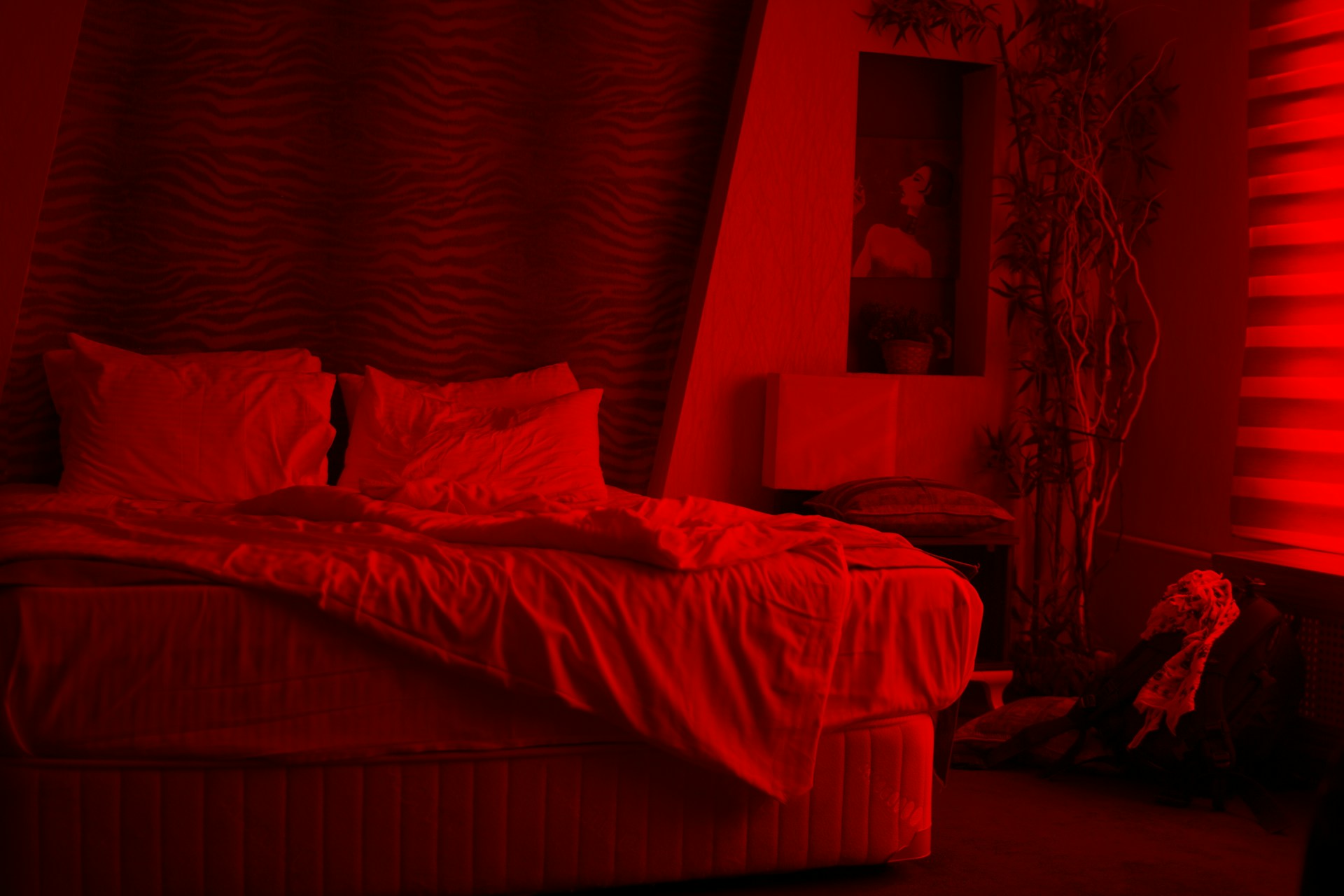
With Lumineos, the lights will automatically adjust to the proper setting based on your bedtime, no adjusetment needed. For those middle-of-the-night bathroom trips, simply turn on the night light and the lights will automatically illuminate the room with dim red light that won't disrupt your sleep or inhibit melatonin production, so you can get back to sleep quickly.
When life fights darkness
Shift work, late classes, or parenting can make strict darkness tough. In those cases, control what you can: keep post-shift light low, use blue-blocking strategies only as needed, and protect a dark sleep environment during your chosen sleep window. Consistency still matters, even if your hours are unconventional.
Where this fits in the bigger picture
Light is the master time-setter for your clock, but timing and duration matter. Evening dimness works hand in hand with strong morning light to keep your rhythm stable. If you are just starting, learn the basics of why light matters before digging into the finer points of timing.
Does Light Impact Sleep? The Short AnswerNext up
Those tiny blue and green dots around your room are not harmless background. Learn how to tame them.
Tiny LEDs, Big Problem? Minimizing Micro-Lights