
The Cost of "Just Pushing Through" on No Sleep
What "pushing through" really costs

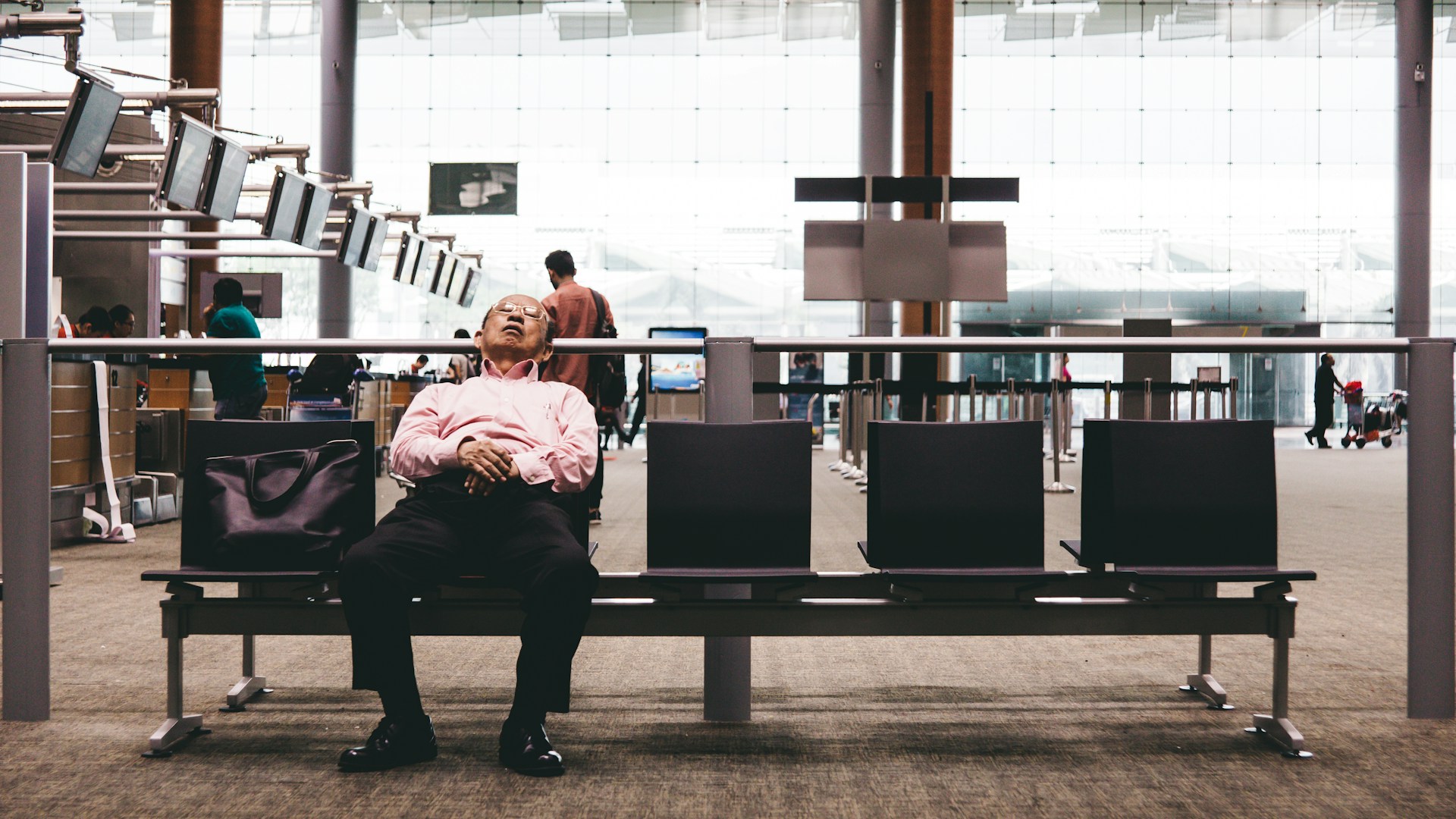
Skipping sleep to hit a deadline feels efficient, but the brain tax starts fast. After about 16 hours awake, reaction time, focus, and working memory slide. Stay up longer or string short nights together and your judgment, creativity, and emotional control drop further. The catch: you are a poor judge of your own impairment. Most people feel "fine" while objective tests show major slowdowns.
Body-wide collateral damage
Your body treats chronic sleep loss as stress. Inflammatory markers rise, immune defenses weaken, and blood sugar control worsens. Even one week of sleeping 5 to 6 hours a night can nudge hunger hormones up and insulin sensitivity down. Mood volatility, anxiety spikes, and lower pain tolerance often follow. Over months to years, the risks compound: higher rates of hypertension, weight gain, depression, and accidents on the road or at work.

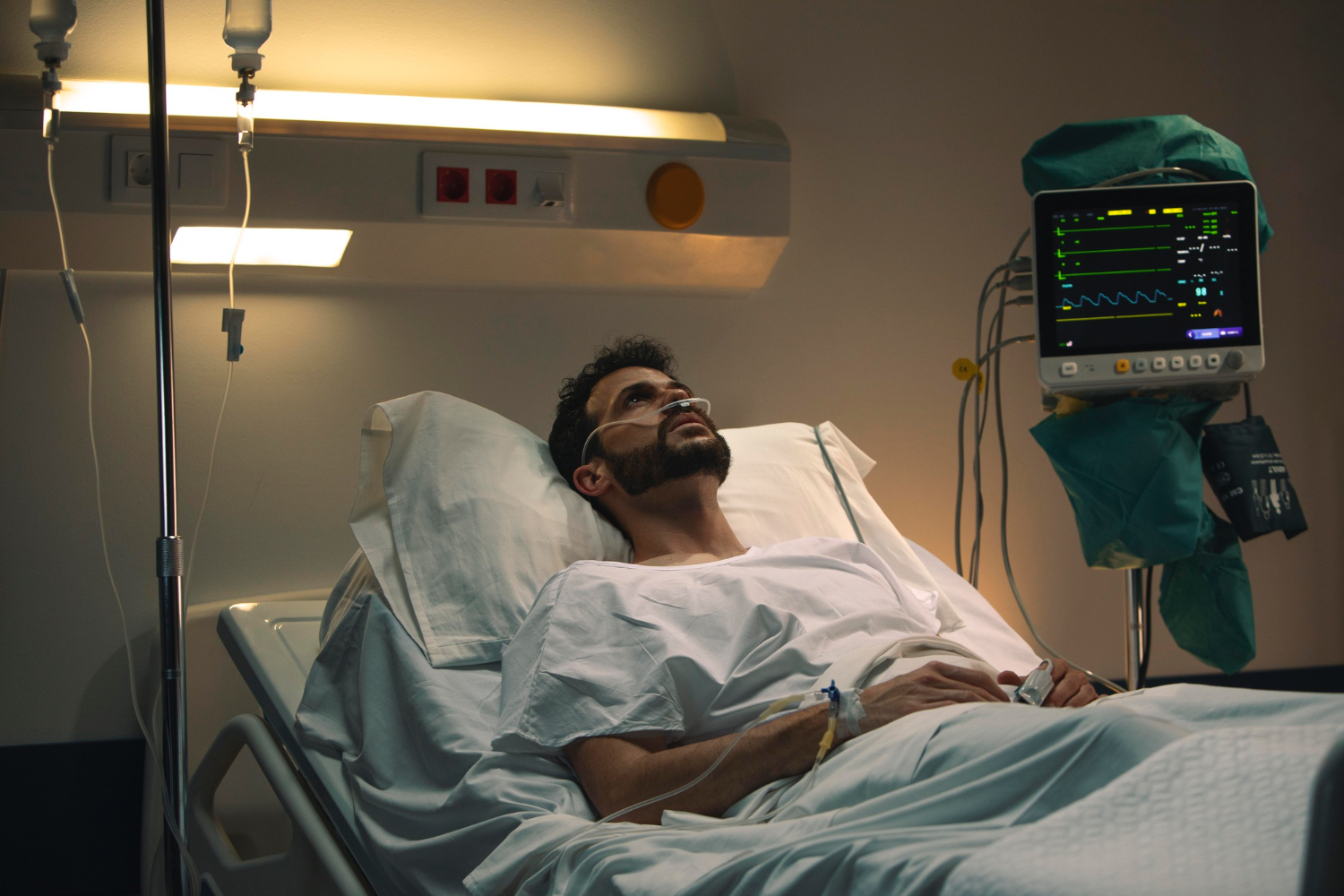
The hidden compounding effect
Losing just one hour a night adds up to a 5 hour deficit by Friday. Weekend catch-up rarely restores full function, and you miss time-sensitive memory consolidation that needs to happen the night after learning. Performance plateaus at a lower level and you normalize it, a phenomenon sometimes called sleep blindness. Recognizing the pattern is the first step to breaking it.
Check the warning signs you may be ignoringShort-term hacks vs. sustainable fixes
Coffee, energy drinks, and bright light can mask sleepiness for a bit, but they do not replace slow wave and REM sleep. Strategic naps and timed light exposure help in a pinch, yet the real solution is consistency: aim for enough sleep every night so you wake without an alarm most days. Protect a stable bedtime and wind-down routine, dim evening light, and limit late caffeine. Think of it like budgeting: preventing a debt you cannot truly repay beats scrambling every weekend.
Next Up
Now that we've covered the absolute essentials of sleep, let's explore how light exposure affects your sleep quality and timing.
Does Light Affect Sleep? (Yes, Here's How)