Chronotypes 101: Larks, Owls, and In-Between
What Is a Chronotype?
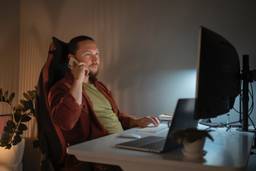

A chronotype is your built-in timing preference for sleeping, waking, and feeling alert across a 24 hour day. Early types get sleepy soon after sunset and wake easily at dawn. Late types feel sharp at night and drag through early mornings. Most of us land somewhere between those poles, and the trait shows up in energy, mood, hunger, and even body temperature rhythms.
Larks, Owls, and the Spectrum Between
Larks peak earlier: they prefer morning workouts, morning meetings, and earlier bedtimes. Owls hit their stride late: creative bursts at 10 p.m., difficulty winding down, and a natural wake time well past sunrise. In-between types lean slightly one way but can flex. Treat chronotype like eye color: real, noticeable, but not the only thing that defines you.
What Shapes Your Chronotype?
Genetics set the baseline, but light exposure, age, and lifestyle nudge it. Teens tend to drift later, older adults earlier. Consistent morning light can pull you a bit earlier; bright late-night light can push you later. Shift work, travel, and late social schedules can mask what your body would pick on its own.
Why It Matters


Living against your chronotype can feel like permanent jet lag: poorer focus, lower mood, and worse metabolic markers are all linked to chronic misalignment. Aligning major tasks with your alertness peaks, and protecting sleep when your body expects it, pays off in productivity and health.
Can You Change It?
You may not be able to change your biology, but you can change the lighting that tells your brain what time it is. You cannot flip a true owl into a dawn-loving lark overnight, but you can shift by 30 to 60 minutes with steady habits. Anchor the day with bright morning light, keep evenings dim, set fixed sleep and wake windows, and move meals and exercise earlier if you want to advance your clock. The reverse applies if you need to shift later.
Work With, Not Against, Your Clock
Plan deep focus work for your natural peak, and schedule low brain tasks when you typically dip. If your job or school start time clashes with your type, double down on light hygiene: strong light early, dim light late, and regularity on weekends to avoid social jet lag.
Next up
Sleep pressure is the other half of the story: the chemical build-up that makes your eyelids heavy. Learn how adenosine works and how to use it.
Sleep Pressure and Adenosine: The Build-Up to Bed