
Bright Nights, Tired Days: Light at the Wrong Time
The Problem with Artificial Brightness


Modern life has turned night into a time of light. From street lamps to smartphones, we are surrounded by artificial brightness long after the sun sets. While this convenience has benefits, it also disrupts our sleep-wake cycles. The human brain evolved to respond to natural light and darkness. When we expose ourselves to strong or cool-toned light at night, our brain interprets it as daylight, delaying the release of melatonin, the hormone that signals bedtime.
Why Nighttime Light Makes You Tired the Next Day
The delayed release of melatonin pushes back our natural sleep onset, meaning we fall asleep later and often get fewer hours of rest. Even if you manage to sleep, the quality of your sleep suffers. Exposure to blue-rich light from screens or LED lighting keeps parts of your brain alert, reducing the amount of deep and REM sleep you achieve. The result is that you wake up feeling less refreshed, with lower energy and focus throughout the day.
Understanding Your Biological Clock
Your circadian rhythm is your internal 24-hour clock that aligns your body with the natural day-night cycle. Light is the primary signal that sets this clock. Bright light in the evening shifts your rhythm later, making it harder to wake up on time the next morning. Over time, this mismatch between your internal clock and social schedules can lead to what scientists call circadian misalignment, which is linked to fatigue, poor mood, and even metabolic issues.
Learn more about how your circadian rhythm worksPractical Steps to Reduce Light at Night
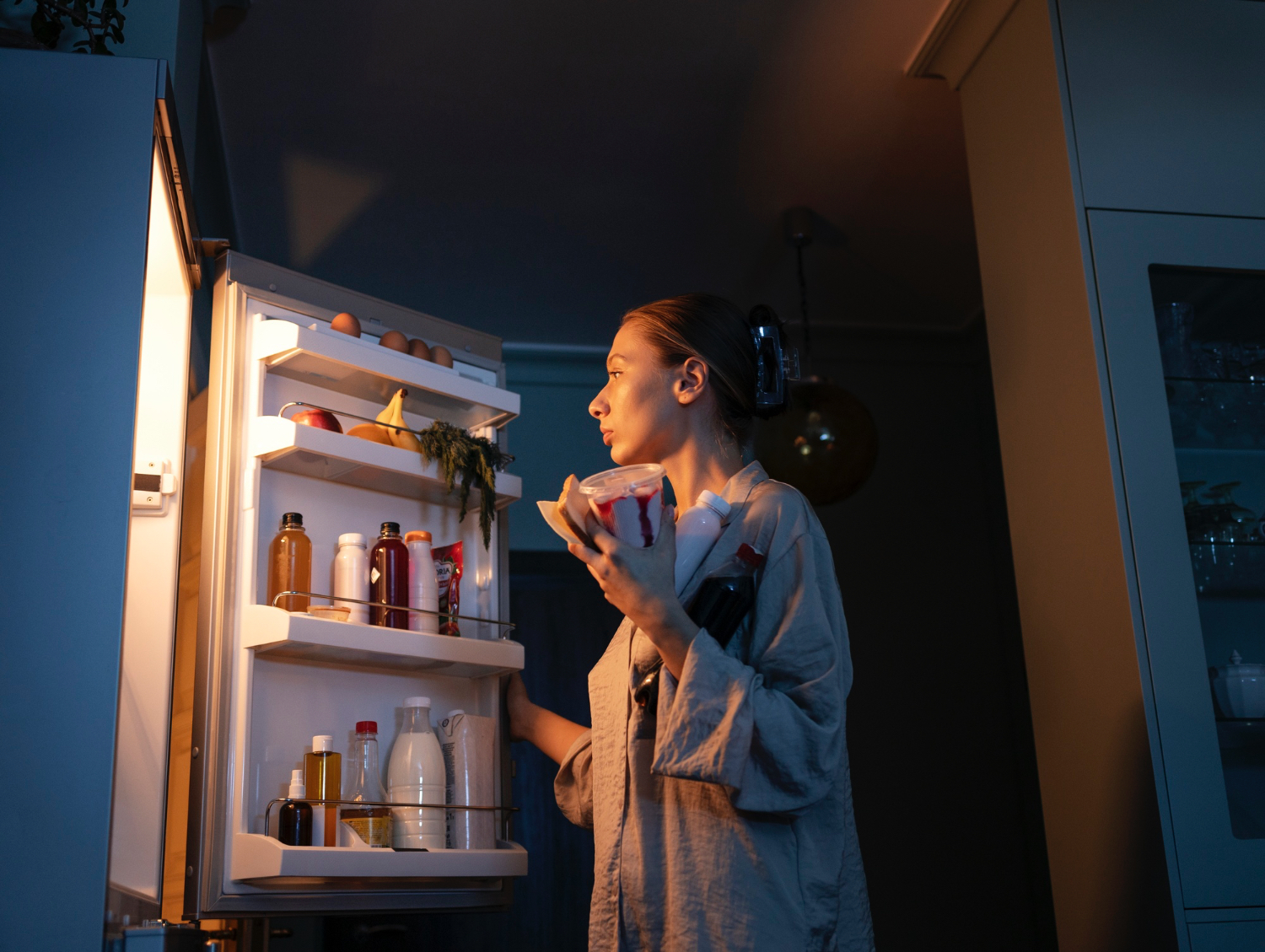
There are simple ways to limit the impact of evening light. Start by dimming overhead lights after sunset and switch to warm, low-intensity bulbs. Consider using amber or red lighting for tasks that require visibility but not alertness. Avoid bright screens within an hour or two of bedtime, or use software filters that reduce blue light. Small LED indicators, like those on chargers or even the fridge, can also send wakeful signals to your brain, so covering or turning them off can make a difference.
See how small light sources affect your sleepNext Up
If you want to understand what blue light actually is and why it matters for sleep, the next article will help.
Blue Light Explained in Plain English