
Blue Light Explained in Plain English
Blue light, simply

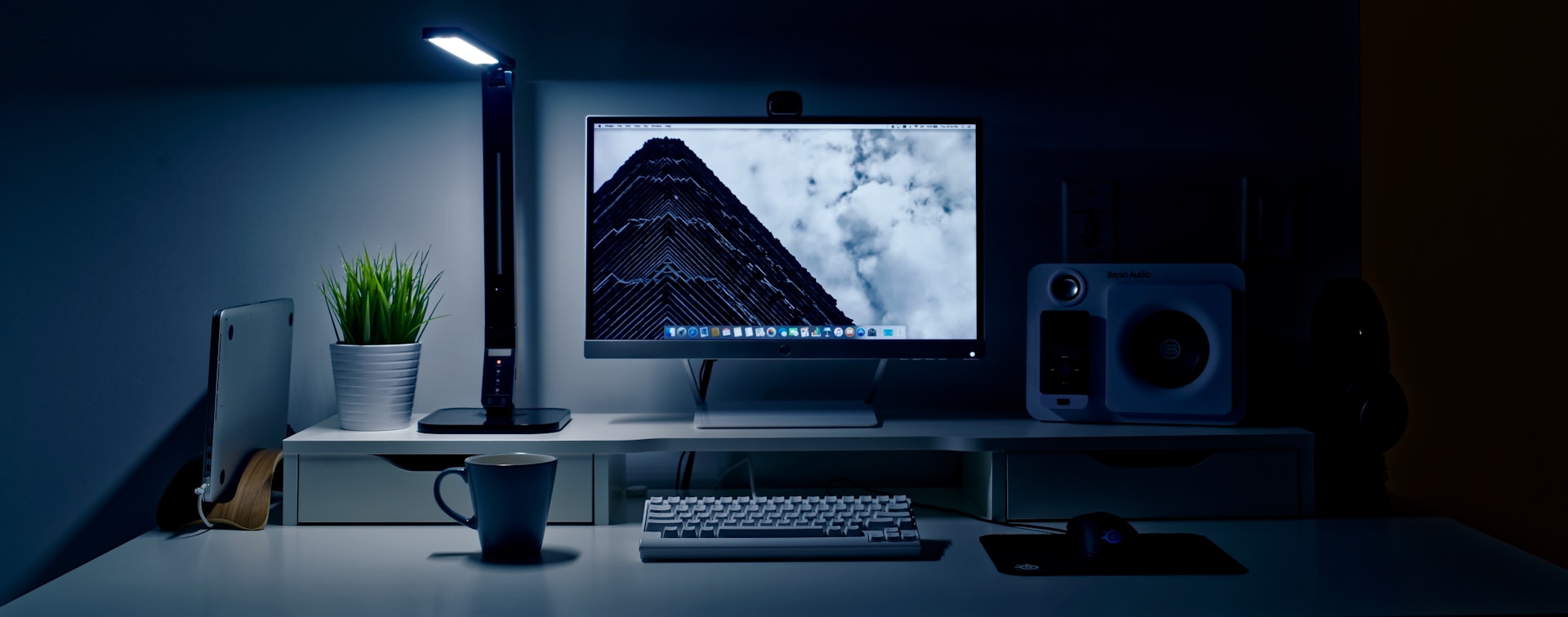
Blue light is the slice of visible light with shorter wavelengths (roughly 400–500 nanometers). It looks "cool" or white to us, but to your brain it is a strong daytime signal. Modern LEDs and screens pack a lot of it.
Why your brain cares
Special light-sensitive cells in your eyes (they are not rods or cones) send a message to your master body clock. They are most responsive to blue-rich light, so that signal says "It’s daytime, stay alert" and slows the rise of melatonin, the hormone that signals night.
Timing, not villainy
Blue light is helpful in the morning and daytime. It boosts alertness and anchors your circadian rhythm. The problem shows up at night: bright, blue-heavy light delays when you feel sleepy and can shift your whole schedule later.
Does Light Impact Sleep? The Short AnswerCommon sources
Sunlight is the biggest source by far, which is good during the day. Indoors, overhead LEDs, computer monitors, tablets, phones, and even bright white task lights all contribute. Small indicator LEDs are weak, but if they are right in your line of sight in a dark room, they still matter.
Next Up
Night mode settings help a bit, but they are rarely the full solution. Learn what they change and what they don’t.
Is "Night Mode" Enough?